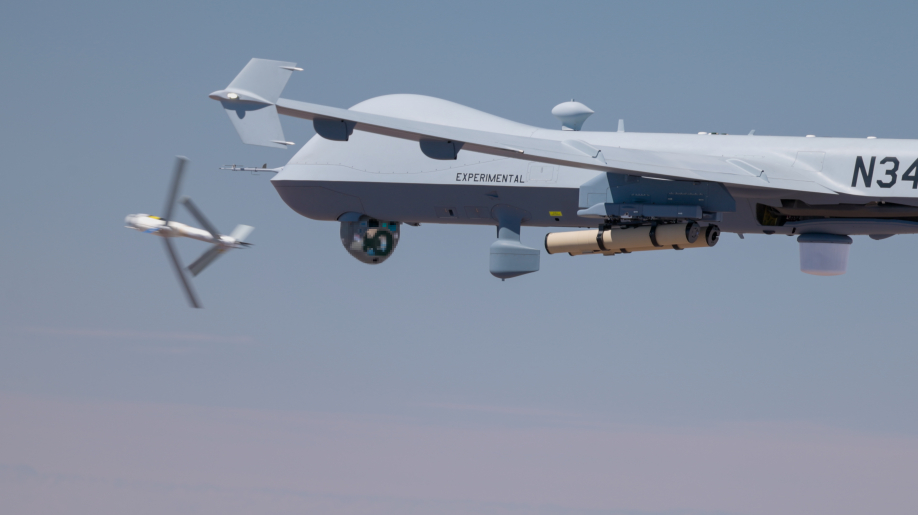
Armed with loitering munitions, SOCOM MC-130J gunships and other aircraft would be able to hunt targets deep inside enemy lines.
The proliferation of drone technology in recent conflicts highlights the need for advanced, cost-effective, and adaptable loitering munition systems for modern warfare.
This development indicates a strategic shift towards increasing stand-off capabilities and unmanned precision strike options, enhancing operational reach and reducing risk to manned platforms.
SOCOM's explicit seeking of long-range kamikaze drones signifies an acceleration of drone integration into special operations, allowing for deeper penetration and persistent targeting capabilities.
- · Defence Contractors (Drone Manufacturers)
- · Aerospace Industry
- · Special Operations Forces
- · Military AI Developers
- · Traditional Manned Strike Aircraft (for certain missions)
- · Near-Peer Adversaries (facing enhanced drone capabilities)
- · Ground-Based Air Defenses (against swarming drones)
SOCOM gains enhanced capabilities for intelligence, surveillance, reconnaissance, and precision strike deep within contested areas.
This drives further investment and innovation in drone technology, potentially leading to more autonomous and networked loitering munitions.
The increased effectiveness of kamikaze drones could reshape doctrines for both offensive deep strike and defensive counter-drone operations globally.
This signal links to a primary source. Continuum Brief monitors and indexes it as part of the live intelligence stream — we do not republish source content.
Read at Army Times