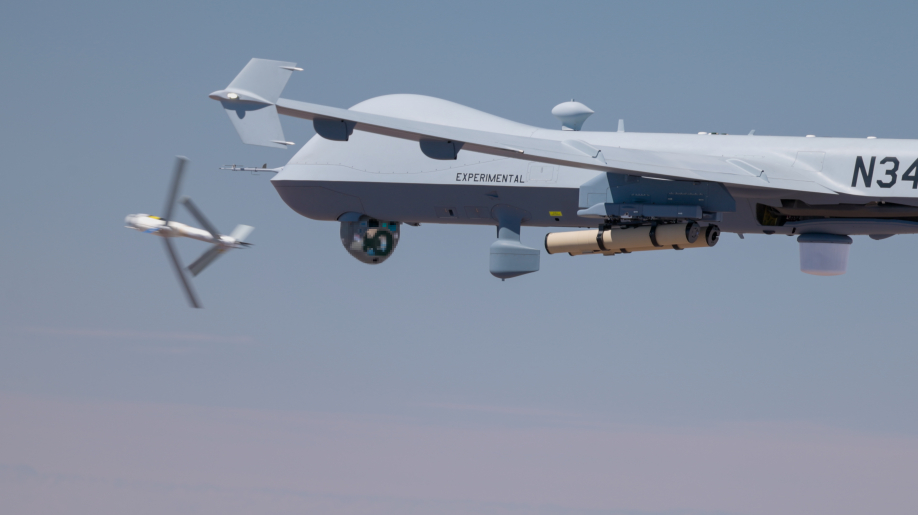
Armed with loitering munitions, SOCOM MC-130J gunships and other aircraft would be able to hunt targets deep inside enemy lines.
The proliferation of drone technology and its effectiveness in recent conflicts is driving advanced military organizations to integrate similar capabilities for offensive operations.
This move by SOCOM indicates a significant strategic shift towards autonomous, long-range targeting capabilities for special operations forces, emphasizing pre-emptive strikes and deep interdiction.
Traditional manned aircraft support roles for special operations will increasingly incorporate and depend on advanced unmanned kamikaze drones for target suppression and engagement.
- · Defence Tech / Drone Manufacturers
- · Military AI & Autonomy Developers
- · Special Operations Forces
- · Traditional Manned Reconnaissance Platforms
- · Legacy Defence Contractors (not adapting to autonomy)
SOCOM will gain enhanced operational reach and reduced risk to personnel in high-threat environments.
Other nations and military branches will likely accelerate their own development and procurement of similar long-range kamikaze drone systems to counter or emulate this capability.
The proliferation of advanced loitering munitions could lead to new doctrines of persistent, autonomous aerial surveillance and strike, fundamentally altering theatre-level air defense strategies.
This signal links to a primary source. Continuum Brief monitors and indexes it as part of the live intelligence stream — we do not republish source content.
Read at Defense News