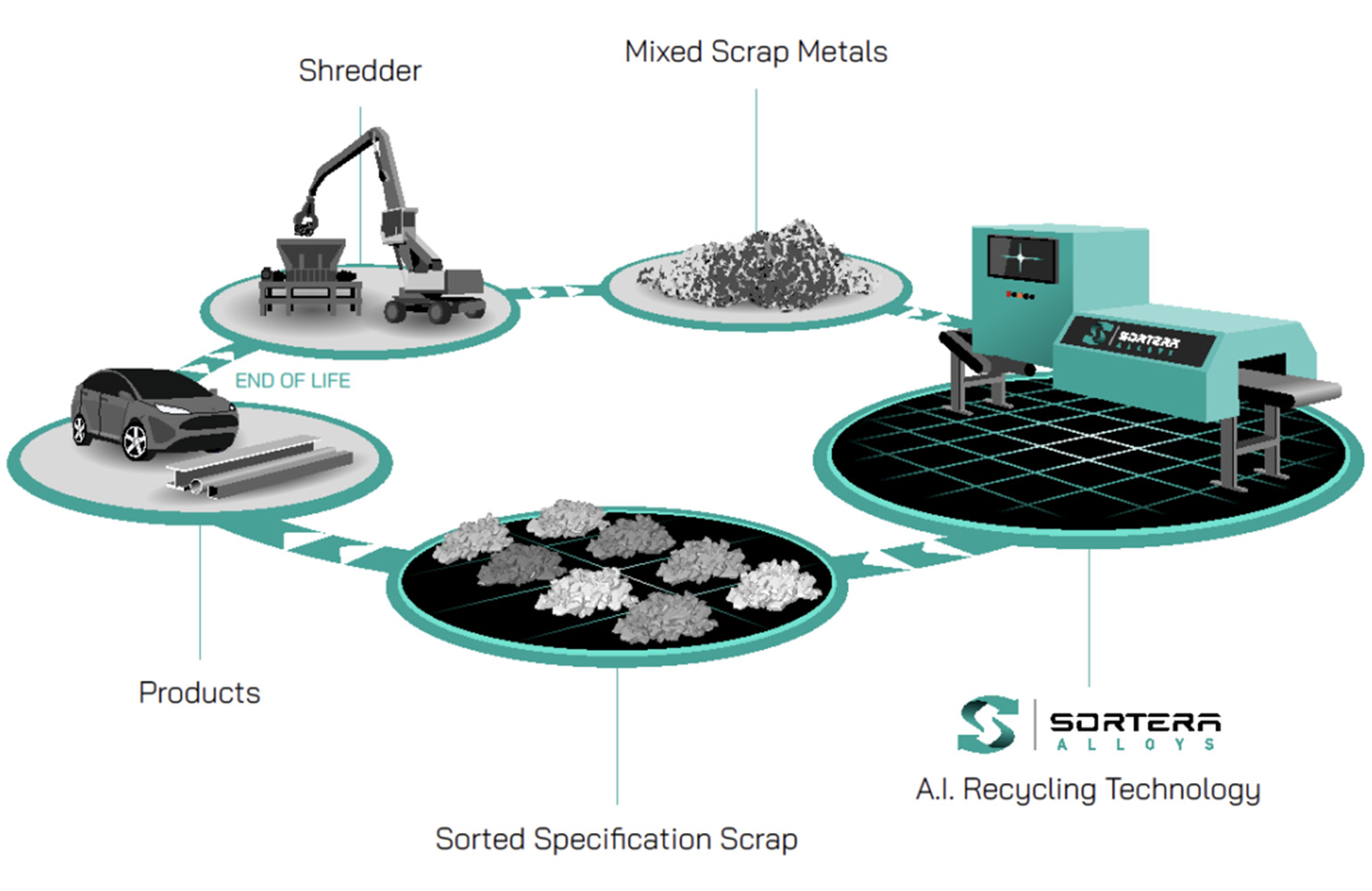
With the new facility, Sortera has increased its annual processing capacity to an estimated 240 million lbs. The post Sortera uses physical AI to double capacity in a Tennessee sorting facility appeared first on The Robot Report .
The increasing maturity of physical AI systems is enabling practical applications like industrial sorting facilities to significantly enhance efficiency and capacity.
This news demonstrates tangible, near-term benefits of AI integration into physical infrastructure, directly impacting operational costs and output in sectors like waste management and logistics.
The adoption of physical AI in sorting facilities allows for a doubling of capacity, indicating a measurable shift in productivity and operational scalability for such industrial processes.
- · Industrial automation companies
- · Material recycling and sorting facilities
- · Robotics manufacturers
- · AI software developers
- · Facilities using traditional, less efficient sorting methods
- · Manual labor in sorting operations
Sortera's increased capacity leads to higher throughput and potentially reduced operational costs per unit of material processed.
Broader adoption of physical AI in waste management and logistics becomes more attractive due to demonstrated ROI, leading to a more automated and efficient supply chain for recycled materials.
The success could lead to the development of more complex, multi-modal physical AI systems capable of handling a wider array of industrial tasks, potentially reducing reliance on human labor in hazardous or repetitive environments.
This signal links to a primary source. Continuum Brief monitors and indexes it as part of the live intelligence stream — we do not republish source content.
Read at The Robot Report