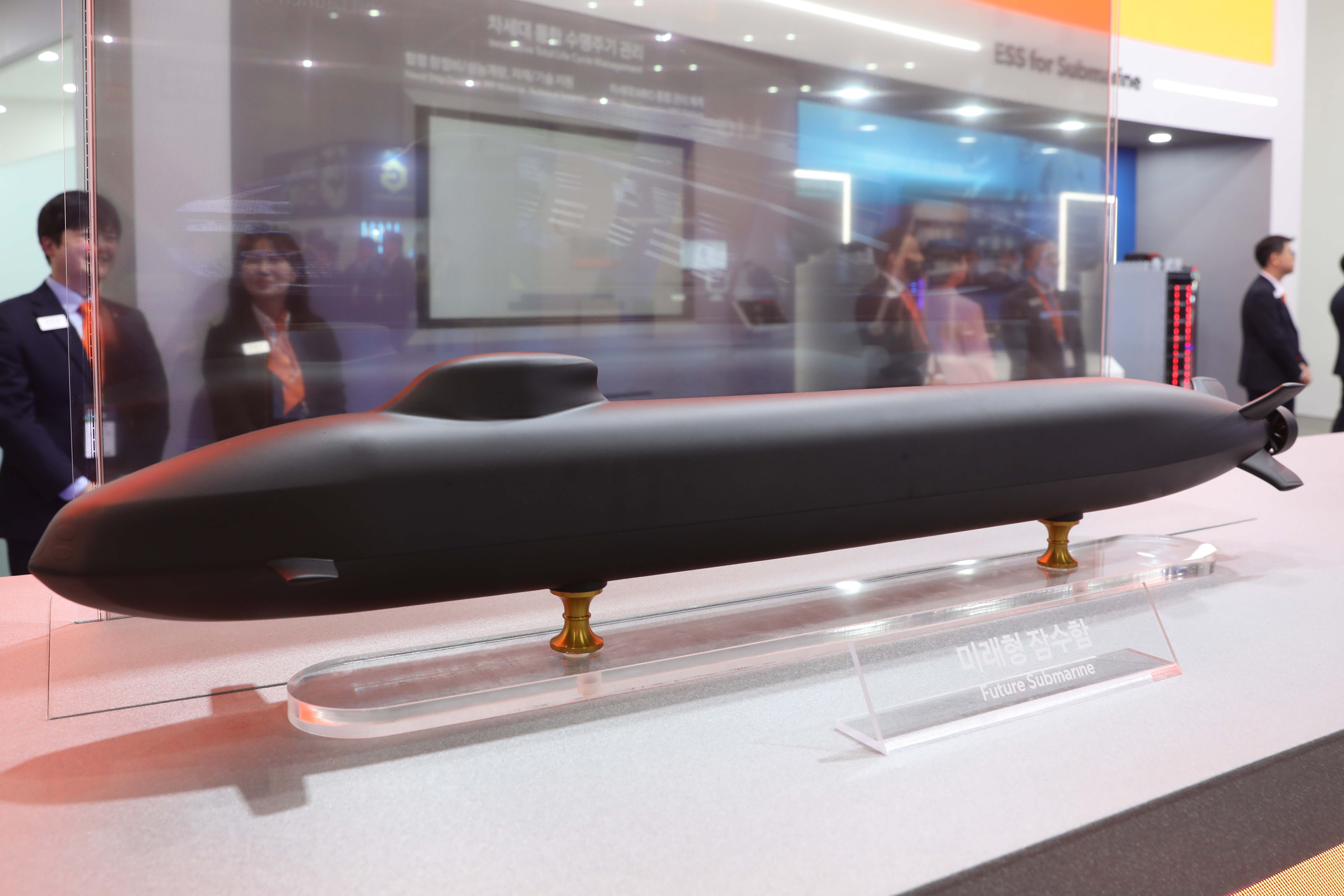
Seoul plans to launch its first boat in the mid-2030s and commission it in “the late 2030s,” the government proclaimed.
Rising geopolitical tensions in the Indo-Pacific, particularly with China and North Korea, are driving South Korea's accelerated pursuit of more robust and independent naval capabilities.
South Korea's commitment to nuclear-powered submarines signifies a major strategic pivot in its defence posture, enhancing its underwater deterrence and projecting power beyond traditional capabilities.
This move changes the regional power balance by introducing a new player with advanced naval projection capabilities and potentially increasing proliferation concerns.
- · South Korea's shipbuilding industry
- · Naval defence contractors
- · Indo-Pacific allies of South Korea
- · North Korea
- · Regional non-proliferation efforts
- · Conventional submarine manufacturers
South Korea will significantly enhance its maritime security and submerged conventional strike capabilities.
This development could accelerate an arms race in the Indo-Pacific, with other nations potentially exploring similar capabilities.
Increased regional naval power could lead to more frequent and complex submarine operations, raising the risk of unforeseen incidents.
This signal links to a primary source. Continuum Brief monitors and indexes it as part of the live intelligence stream — we do not republish source content.
Read at Defense News