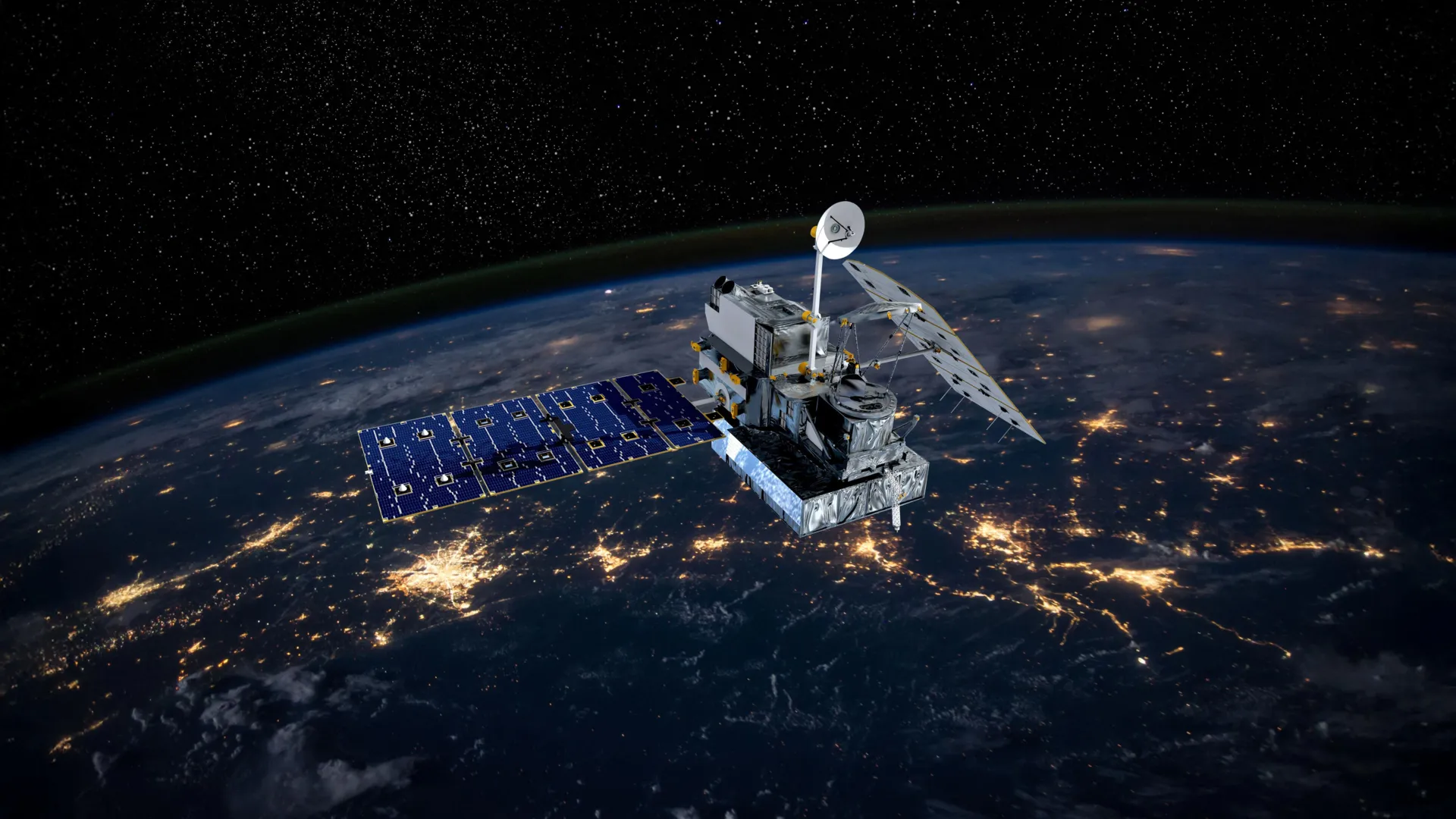
The race to build data centers in space is gaining momentum as AI drives unprecedented demand for computing power. Orbital facilities could tap into abundant solar energy and avoid many of the environmental challenges faced on Earth. Yet space remains a harsh and expensive place to operate, with major hurdles including cooling, maintenance, radiation exposure, and orbital debris.
The accelerating demand for AI computing power on Earth, coupled with growing awareness of energy and environmental constraints, is pushing innovative solutions like space-based data centers.
This development indicates a potential new frontier for critical infrastructure, impacting global competition for AI compute resources and potentially creating new geopolitical considerations for orbital assets.
The concept of computing infrastructure is extending beyond terrestrial limits, introducing new challenges and opportunities for power sourcing, cooling, and security for next-generation AI demands.
- · Space launch providers
- · Satellite infrastructure companies
- · AI data center operators
- · Renewable energy companies (space applications)
- · Traditional terrestrial data center operators (long-term disruption)
- · Regions with high energy costs for compute
- · Earth-bound energy grids (reduced pressure)
- · Environmental activists (short-term relief from new terrestrial builds)
The feasibility of deploying and maintaining robust computing infrastructure in orbit will be tested, leading to advancements in space engineering.
Nations and major tech companies might accelerate competition for orbital slots and resources to secure AI compute advantage, potentially militarizing space further.
The development of self-repairing and highly autonomous systems for space data centers could generalize to other critical infrastructure, reducing the need for human intervention in hazardous environments.
This signal links to a primary source. Continuum Brief monitors and indexes it as part of the live intelligence stream — we do not republish source content.
Read at ScienceDaily — Quantum Computing