Stanford quantum computing breakthrough uses twisted light to work without extreme cooling
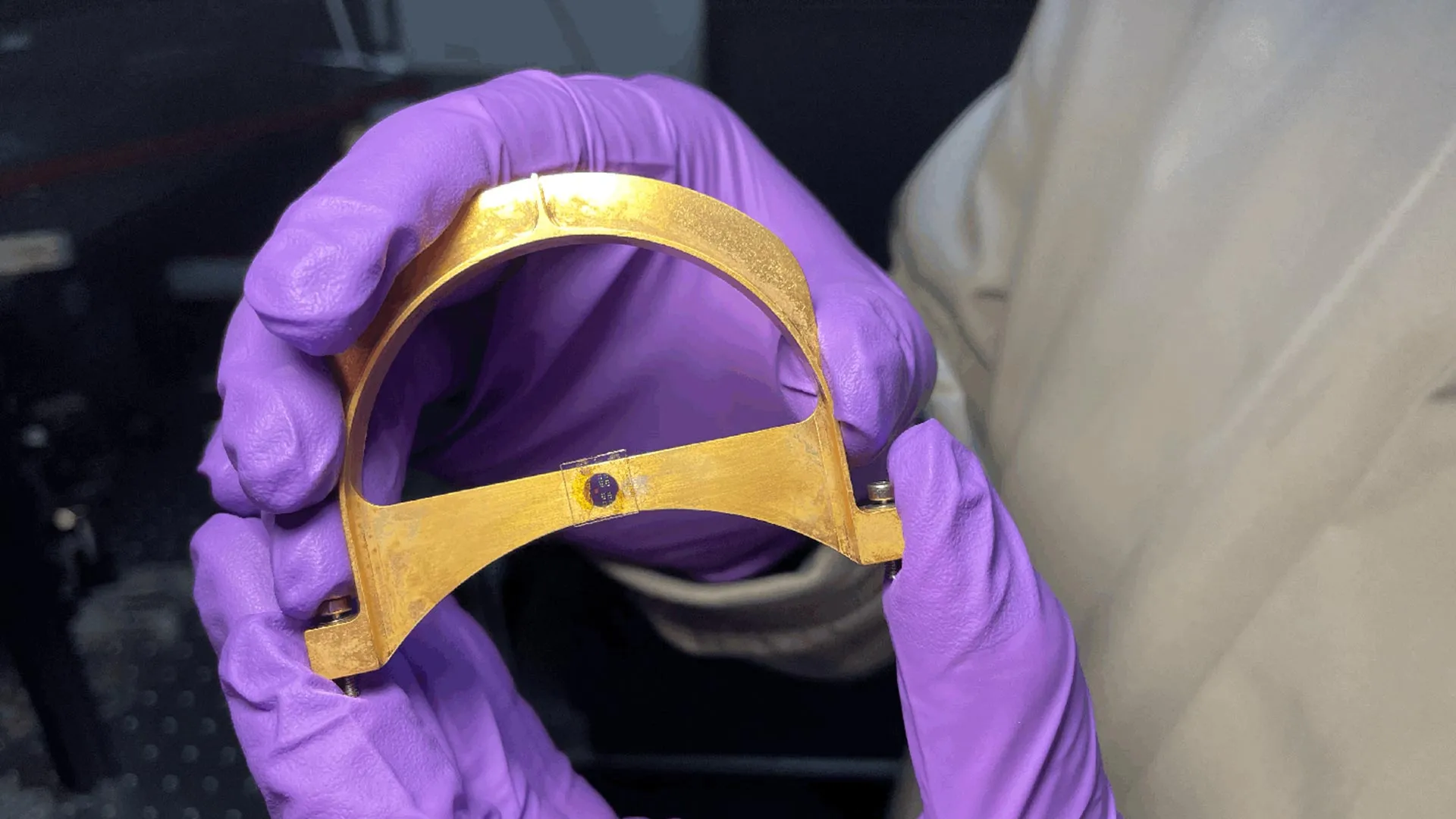
A new room-temperature quantum device uses twisted light to entangle photons and electrons, overcoming one of the biggest hurdles in quantum technology. The breakthrough could pave the way for smaller, cheaper quantum systems with applications ranging from secure communications to future AI and computing platforms.
Ongoing research in quantum computing is constantly pushing boundaries, and this breakthrough addresses a fundamental physical limitation, indicating maturity in specific areas of quantum device design.
This development significantly lowers the barrier to entry for quantum computing by removing the need for extreme cooling, potentially accelerating its practical applications and commercialization.
The feasibility of building smaller, cheaper, and more accessible quantum systems for various applications, including AI and secure communications, is now greatly enhanced.
- · Quantum computing researchers
- · AI development
- · Cybersecurity sector
- · Hardware manufacturers
- · Developers of cryogenic quantum systems
The immediate first-order effect is a substantial reduction in the complexity and cost associated with quantum computing hardware.
Plausible second-order consequences include accelerated development of quantum algorithms and a broader adoption of quantum-enhanced technologies.
A speculative but reasoned third-order consequence is the emergence of distributed, cloud-based quantum networks integrated into everyday computing infrastructure without specialized environmental controls.
This signal links to a primary source. Continuum Brief monitors and indexes it as part of the live intelligence stream — we do not republish source content.
Read at ScienceDaily — Robotics