Startup unveils 3D-printed nuclear reactor module to power AI data centers —touted as ‘the world’s first subcritical, solid-state, factory-built thorium nuclear reactor’
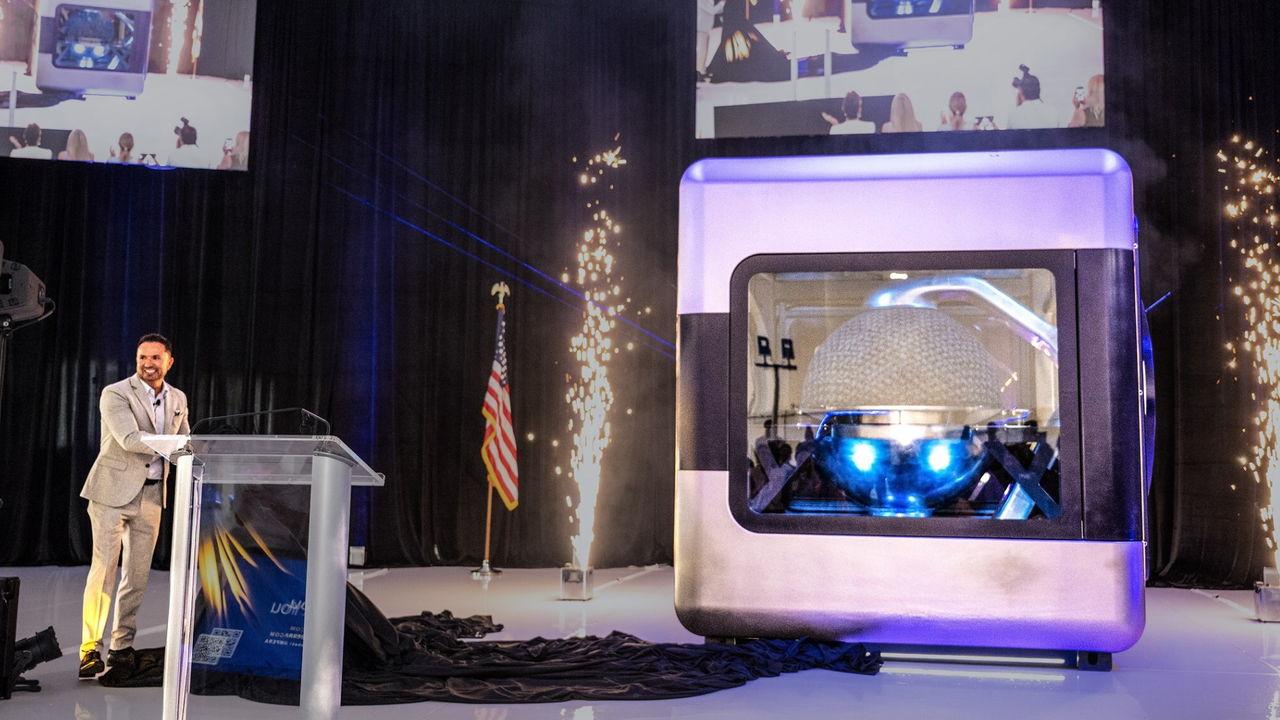
Nuclear tech startup Ampera revealed a small modular reactor manufactured using 3D printing techniques. The company says that it expects to be the first one to mass produce these power sources for data centers and other applications.
The increasing energy demands of AI data centers are accelerating innovation in compact, modular power solutions, while advancements in manufacturing like 3D printing enable novel reactor designs.
This development proposes a scalable and potentially decentralized power source for compute infrastructure, directly addressing a growing bottleneck in AI development and deployment.
The possibility of smaller, factory-built nuclear reactors could decentralize power generation for high-demand applications, reducing reliance on traditional grid infrastructure for data centers.
- · AI Data Center Operators
- · Small Modular Reactor Industry
- · Advanced Manufacturing Sector
- · Thorium Miners
- · Traditional Grid Operators (in some contexts)
- · Fossil Fuel Generators (for data centers)
- · Large-scale Nuclear Plant Developers
Ampera's technology could enable rapid deployment of power-independent AI data centers closer to demand, reducing transmission losses and latency.
Increased availability of specialized nuclear power for data centers could trigger a new compute arms race, unbound by conventional energy constraints.
The proliferation of subcritical reactors could eventually lead to new regulatory frameworks for decentralized energy and potentially spark geopolitical competition for critical reactor materials.
This signal links to a primary source. Continuum Brief monitors and indexes it as part of the live intelligence stream — we do not republish source content.
Read at Tom's Hardware