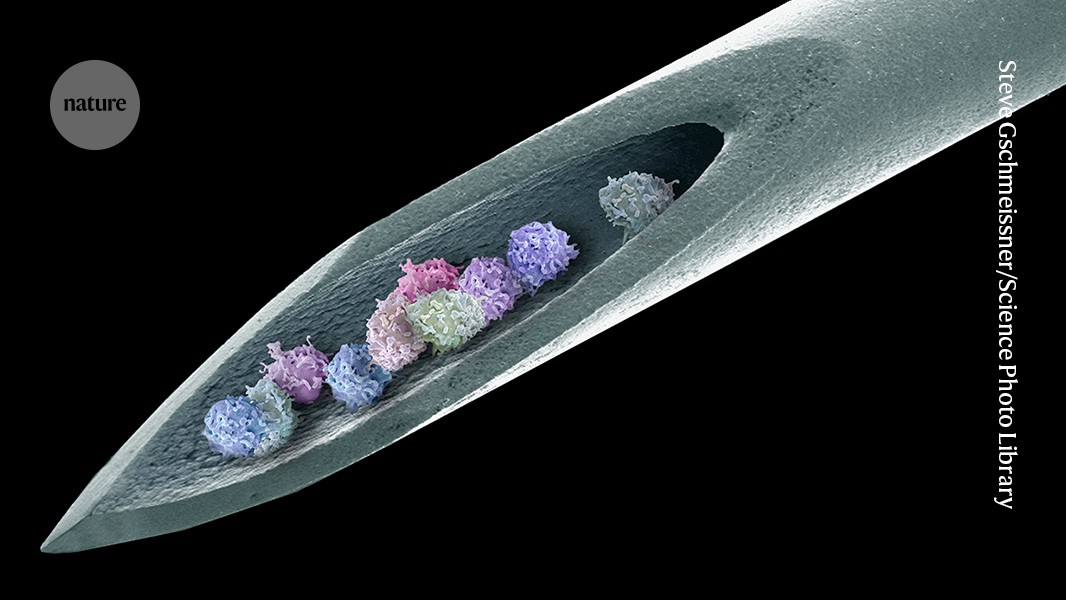
Nature, Published online: 19 June 2026; doi:10.1038/d41586-026-01925-7 Two people were the first to receive the therapy for a condition that damages the spinal cord and optic nerve.
This research provides robust evidence of the long-term efficacy of stem cell therapy for severe autoimmune conditions, moving it closer to broader clinical application.
A strategic reader should care because this breakthroughs opens new avenues for treating chronic diseases currently managed, not cured, potentially shifting healthcare paradigms and economic burdens.
The perceived risk and long-term viability of stem cell treatments for complex autoimmune diseases is significantly re-evaluated, making it a more credible and fundable therapeutic path.
- · Biotech industry
- · Patients with autoimmune diseases
- · Healthcare providers
- · Stem cell research firms
- · Manufacturers of long-term symptomatic autoimmune drugs
- · Traditional chronic disease management models
Successful stem cell therapy trials demonstrate a pathway for curative rather than palliative treatment for severe autoimmune diseases.
Increased investment and regulatory acceleration in regenerative medicine could follow, expanding the range of treatable conditions.
Long-term societal health improvements and reduced healthcare costs for chronic conditions might lead to demographic shifts and productivity gains.
This signal links to a primary source. Continuum Brief monitors and indexes it as part of the live intelligence stream — we do not republish source content.
Read at Nature — Latest Research