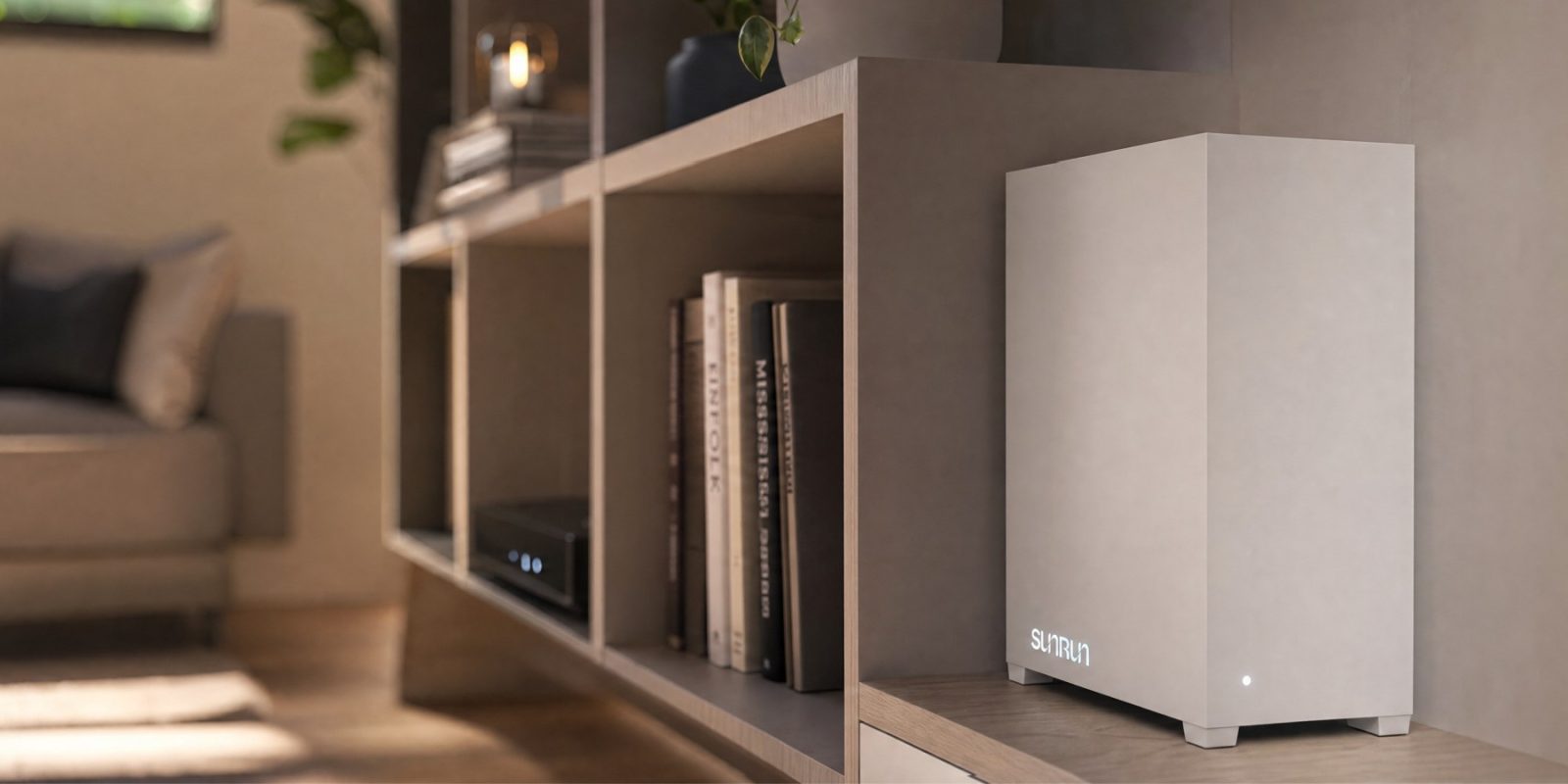
Sunrun wants to turn thousands of solar-powered homes into a giant distributed AI data center – and pay homeowners to help power the AI boom.
The rapid increase in AI compute demand coupled with advancements in distributed energy resources makes this proposition economically viable and strategically attractive.
This concept illustrates a novel approach to addressing the energy and compute constraints of AI, potentially democratizing access to infrastructure and creating new revenue streams for homeowners.
The model of AI data centers could shift from centralized, hyperscale facilities to a distributed network leveraging existing home solar infrastructure, blurring the lines between energy production and compute provision.
- · Sunrun
- · Homeowners with solar
- · Distributed energy companies
- · AI compute providers
- · Traditional hyperscale data center operators
- · Centralized grid infrastructure (potentially)
- · Small-scale cloud providers
Thousands of homes become nodes in a distributed AI compute network, selling excess solar energy and compute capacity.
This could lead to a significant increase in demand for edge AI hardware and advanced grid management systems capable of handling highly variable, distributed loads.
The model, if successful, might inspire similar distributed infrastructure plays across other resource-intensive sectors, fundamentally altering how critical services are provisioned and managed at a societal level.
This signal links to a primary source. Continuum Brief monitors and indexes it as part of the live intelligence stream — we do not republish source content.
Read at Electrek