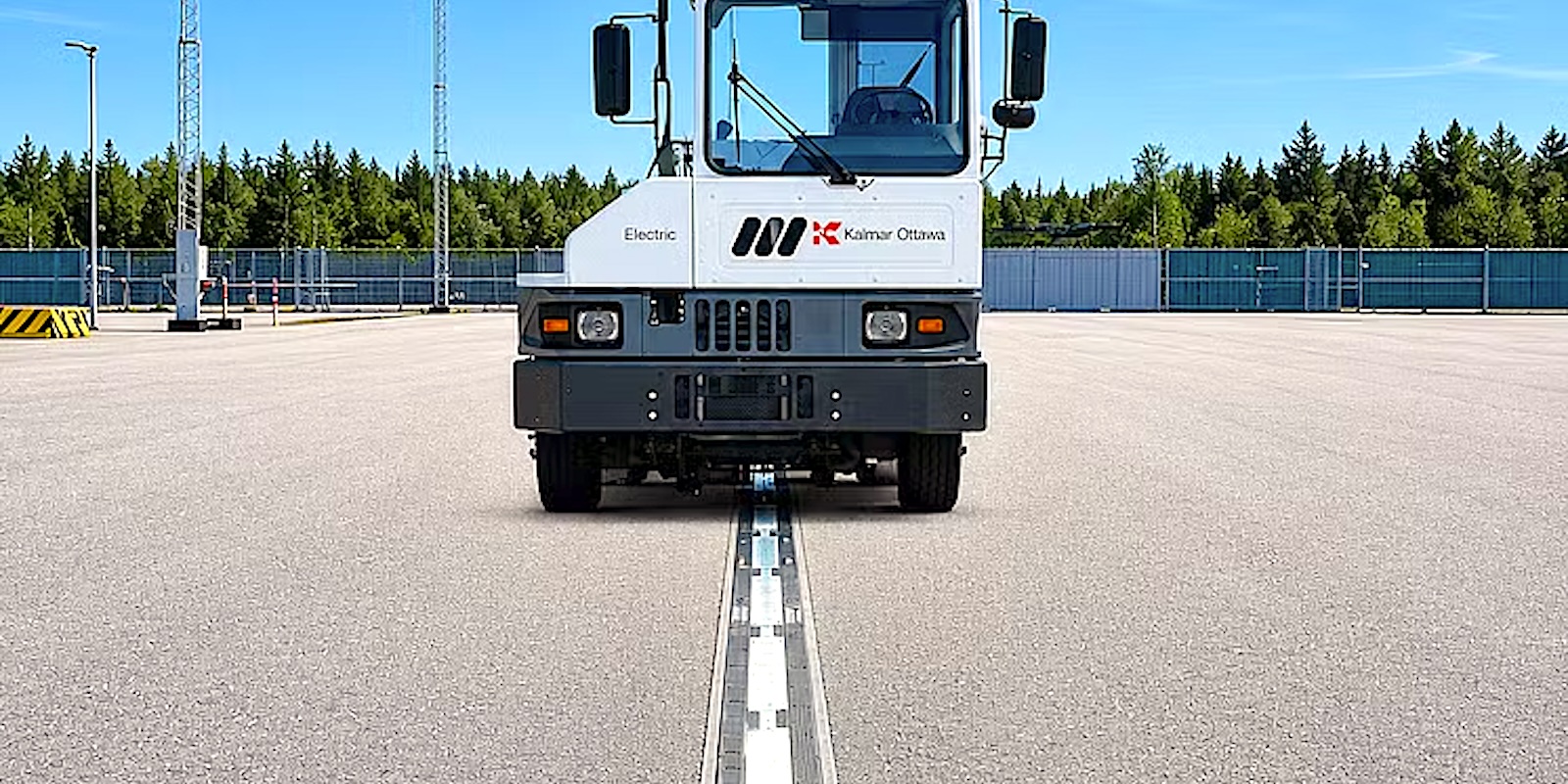
A Kalmar Ottawa T2 EV electric terminal tractor has been successfully deployed on an in-road charging system in Ljungby, Sweden, enabling continuous operation without ever needing to be plugged in.
The increasing focus on sustainable logistics and the development of advanced charging technologies are converging to make continuous EV operation viable. This specific deployment indicates a maturing of in-road charging systems.
This development addresses a critical bottleneck in electric vehicle adoption for heavy-duty applications: charging time and infrastructure, potentially enabling 24/7 operation for commercial fleets, significantly improving efficiency and reducing reliance on traditional charging stations.
Commercial HD electric vehicles can now operate continuously without needing to stop for charging, transforming terminal logistics and potentially accelerating the electrification of other heavy-duty transport sectors.
- · Logistics companies
- · EV charging infrastructure providers
- · Electric truck manufacturers
- · Port authorities
- · Traditional fossil fuel suppliers
- · Manufacturers of conventional terminal tractors
- · Companies reliant on intermittent EV charging models
Increased adoption of electric terminal tractors due to enhanced operational efficiency and reduced downtime.
Expansion of dynamic in-road charging infrastructure beyond terminals to other commercial and potentially public roads, supporting broader EV integration.
Re-evaluation of energy grid demands and smart grid integration strategies as continuous charging systems become more prevalent, optimizing energy distribution and storage.
This signal links to a primary source. Continuum Brief monitors and indexes it as part of the live intelligence stream — we do not republish source content.
Read at Electrek