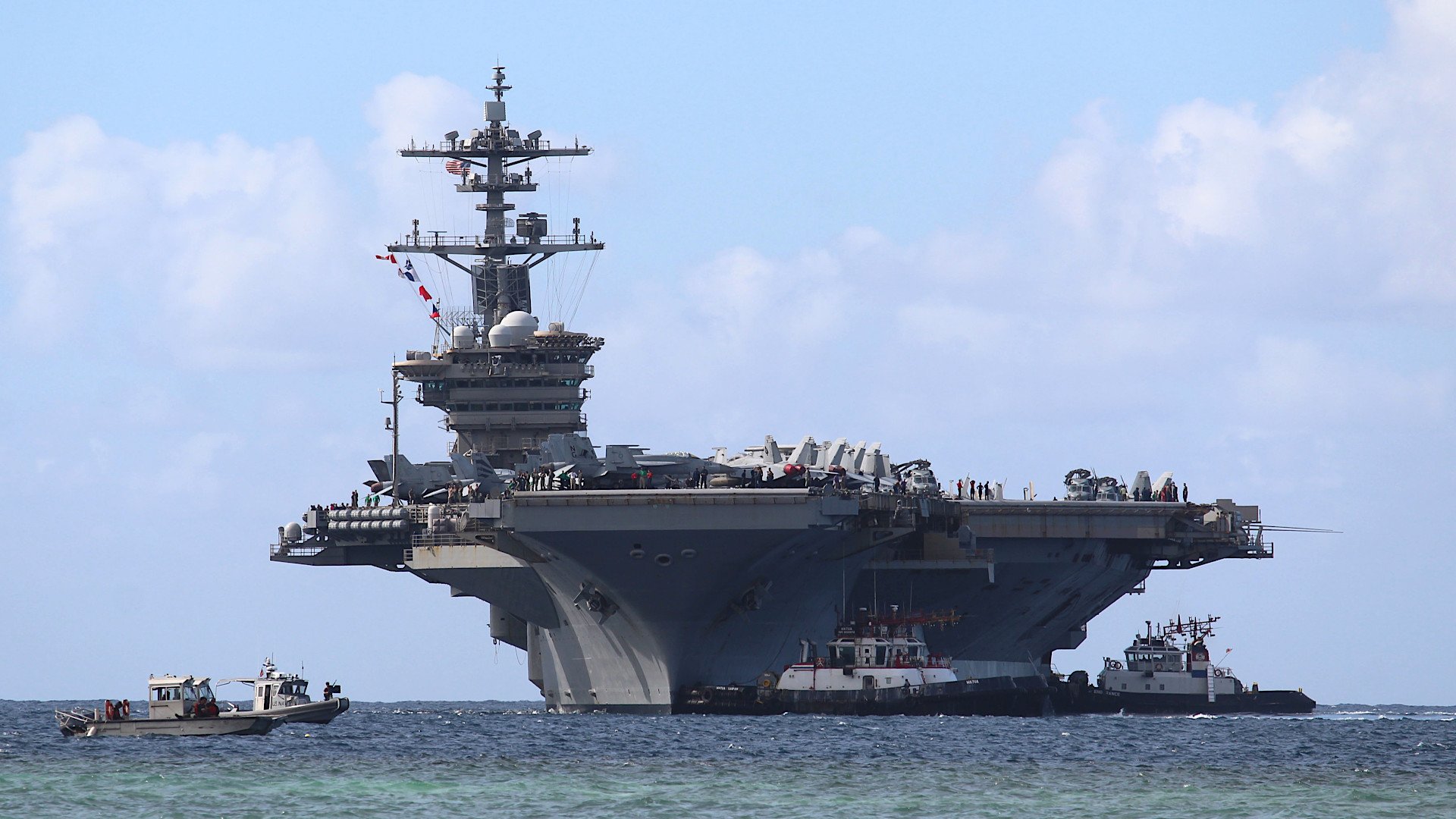
The flagship of Carrier Strike Group 3, which is currently operating in the Middle East, has not made a port call since December 2025. The post Supercarrier USS Abraham Lincoln Passes 200 Consecutive Days At Sea Mark appeared first on TWZ .
The increased duration of carrier deployments is a direct consequence of ongoing geopolitical tensions and increased operational demands in critical regions like the Middle East.
This extended deployment demonstrates the high operational tempo and strain on naval assets, highlighting potential long-term issues for personnel readiness and equipment maintenance for global powers.
Naval forces are increasingly required to sustain prolonged presences without immediate access to traditional port support, indicating a shift towards more autonomous and resilient operational models.
- · US Navy
- · Naval maintenance contractors
- · Defense contractors for enhanced endurance systems
- · Forward-deployed logistics providers
- · Sailors' families
- · Naval personnel retention
- · Port economies reliant on frequent visits
The sustained deployment puts significant strain on the crew and the ship's systems, necessitating more intensive maintenance cycles and potentially impacting morale.
Increased operational wear and tear could accelerate the need for modernization or replacement of naval assets, driving defense spending and R&D into more robust platforms.
Prolonged deployments might lead to a re-evaluation of naval force structure, favoring more distributed and less port-dependent assets, or prompting the development of advanced robotic maintenance systems to alleviate human burden.
This signal links to a primary source. Continuum Brief monitors and indexes it as part of the live intelligence stream — we do not republish source content.
Read at The War Zone