Tesla admits FSD was on in fatal Texas crash, blames driver for ‘overriding’ it
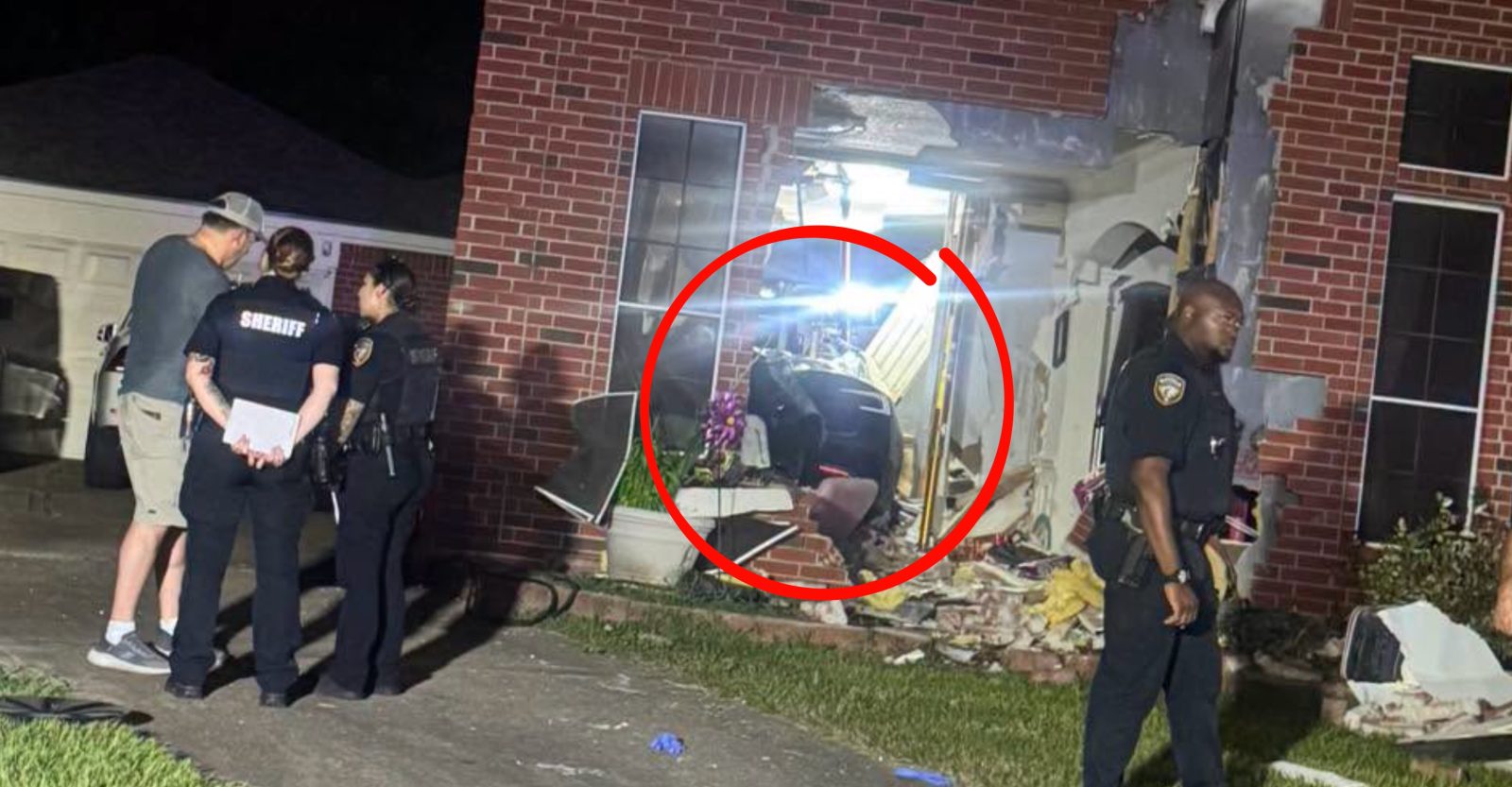
Tesla now confirms that its self-driving system was engaged when a Model 3 left a residential road in Katy, Texas, and killed a 76-year-old woman inside her home — but the company says the driver overrode it by pressing the accelerator to 100%. Everything points to a pedal misapplication while the car was under “Full Self-Driving.” Does that mean Tesla is not at fault?
This report comes as regulatory scrutiny intensifies on autonomous driving systems, reflecting ongoing challenges in establishing clear lines of liability and safety protocols.
A strategic reader should care because this incident highlights the complex interplay between advanced automotive autonomy and human operation, impacting regulatory frameworks, public trust, and the future of self-driving technology deployment.
The debate shifts from purely technological capabilities to the legal and ethical responsibility at the human-AI interface, potentially leading to more stringent user interaction requirements and liability assignments.
- · Insurance companies (in clarifying liability)
- · Traditional auto manufacturers (who can emphasize human control)
- · Tesla's Full Self-Driving reputation
- · Advocates for rapid autonomous vehicle deployment
- · Drivers misusing or misunderstanding self-driving features
Increased public and regulatory pressure on Tesla and other autonomous vehicle developers to enhance safety features and clarify operational limitations.
Potential for new legislation or stricter certifications governing the rollout and usage of ADAS (Advanced Driver-Assistance Systems) beyond current L2 classifications.
A chilling effect on consumer adoption rates of 'full self-driving' capabilities, pushing back timelines for widespread L4/L5 autonomous vehicle integration due to trust issues and perceived liability risks.
This signal links to a primary source. Continuum Brief monitors and indexes it as part of the live intelligence stream — we do not republish source content.
Read at Electrek