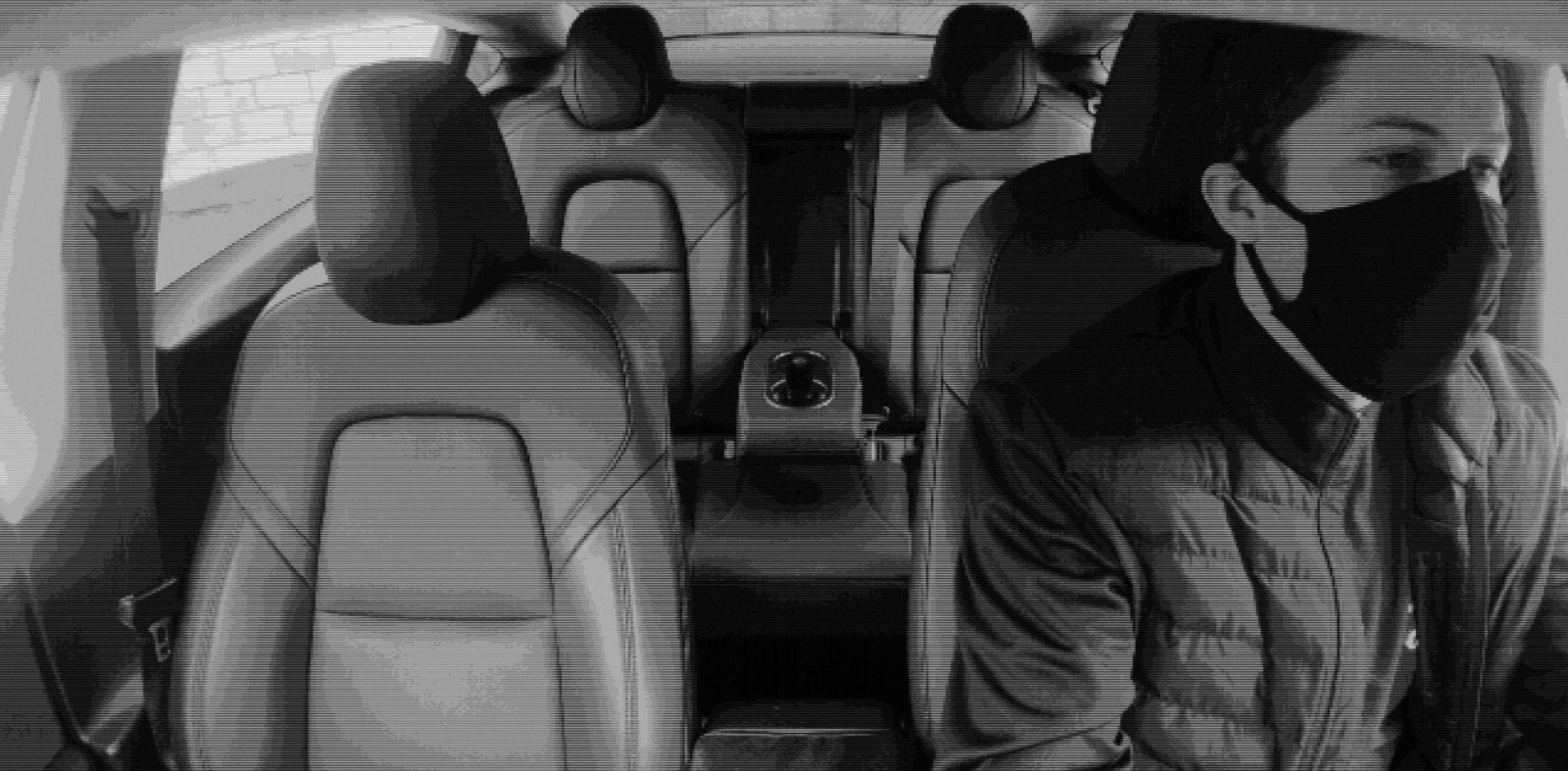
Code buried in Tesla’s latest iOS app update points to a new feature that would use the in-car cabin camera to verify a driver’s identity before allowing “Full Self-Driving” to activate. If the system can’t confirm the person behind the wheel matches an authorized profile, it would block FSD and surface a failure message in the app.
The continuous evolution of autonomous driving features, particularly 'Full Self-Driving,' necessitates enhanced safety and authentication mechanisms as these systems become more capable and ubiquitous.
This development indicates a growing emphasis on accountability and control in advanced autonomous systems, setting precedents for human oversight and driver verification in highly automated vehicles.
Vehicle autonomy is moving towards greater integration of biometric and identity verification measures, reducing the potential for misuse or unauthorized activation of critical features.
- · Tesla
- · Autonomous vehicle safety advocates
- · Biometric verification technology providers
- · Unauthorized FSD users
- · Developers of less secure autonomous vehicle systems
Tesla's FSD system will incorporate an additional layer of security and user verification via the in-cabin camera.
This could become a standard feature across the autonomous driving industry, pushing competitors to implement similar driver monitoring and authentication systems.
The integration of biometric identity with vehicle operability may expand into other automotive functions, blurring the lines between personal device and automobile.
This signal links to a primary source. Continuum Brief monitors and indexes it as part of the live intelligence stream — we do not republish source content.
Read at Electrek