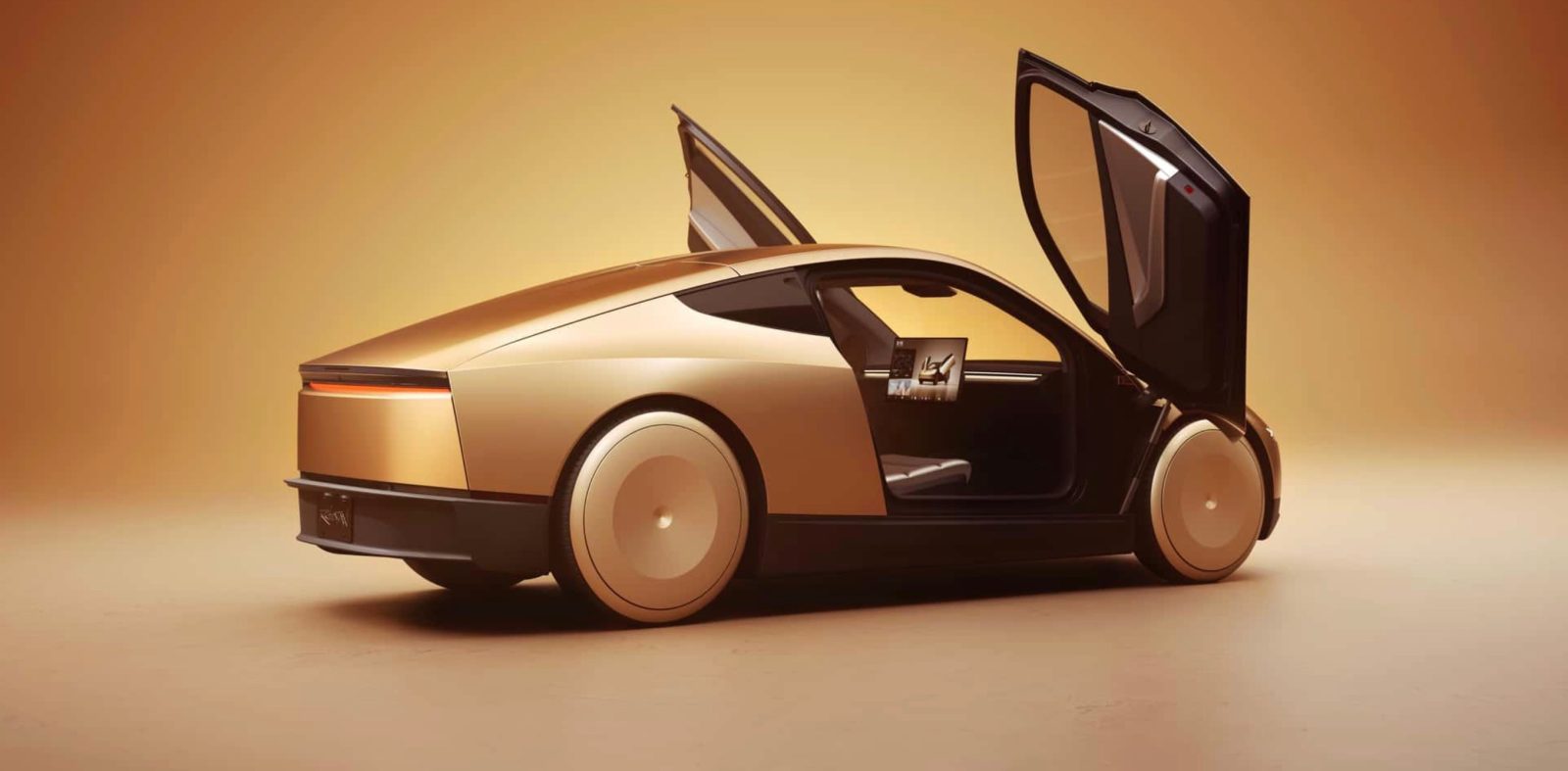
Tesla’s Cybercab EPA certification documents reveal the robotaxi’s full technical specs for the first time — including a 3,113-lb curb weight, a 219 HP motor, and a 48 kWh battery pack. The filing confirms several claims Tesla made about the vehicle while revealing some surprises. The Certificate Summary Information (CSI) for EPA test group TTSLV00.0L1A, filed on May 21 and certified on May 26, provides the most detailed look yet at the engineering behind the most efficient EV ever produced .
The EPA certification of Tesla's Cybercab provides concrete, official technical specifications, moving it from speculative announcement to verified product. This follows a period of anticipation since its initial reveal.
The detailed specs for Tesla's robotaxi underscore significant advancements in electric vehicle efficiency and autonomous system integration, potentially setting new benchmarks for urban mobility and logistics. It provides a tangible reference point for the capabilities of upcoming robotaxi fleets.
We now have verified engineering details for a prominent autonomous vehicle, confirming efficiency claims and revealing specific hardware configurations that clarify its performance and potential impact on a large scale. This shifts the discussion from hypothetical capabilities to confirmed specifications.
- · Tesla
- · Autonomous vehicle technology developers
- · Ride-sharing platforms (future integration)
- · EV battery manufacturers
- · Traditional taxi services
- · Internal combustion engine vehicle manufacturers
- · Human-driven ride-hailing companies (long-term)
The revealed specs confirm the technical feasibility and efficiency of dedicated robotaxi designs, inspiring further investment and development in autonomous urban transport.
Increased competition and innovation in the robotaxi sector could accelerate the timeline for widespread autonomous vehicle deployment, impacting urban planning and infrastructure.
Successful mass deployment of highly efficient robotaxis may lead to decreased personal vehicle ownership in urban centers, altering automotive market dynamics and consumer transportation habits.
This signal links to a primary source. Continuum Brief monitors and indexes it as part of the live intelligence stream — we do not republish source content.
Read at Electrek