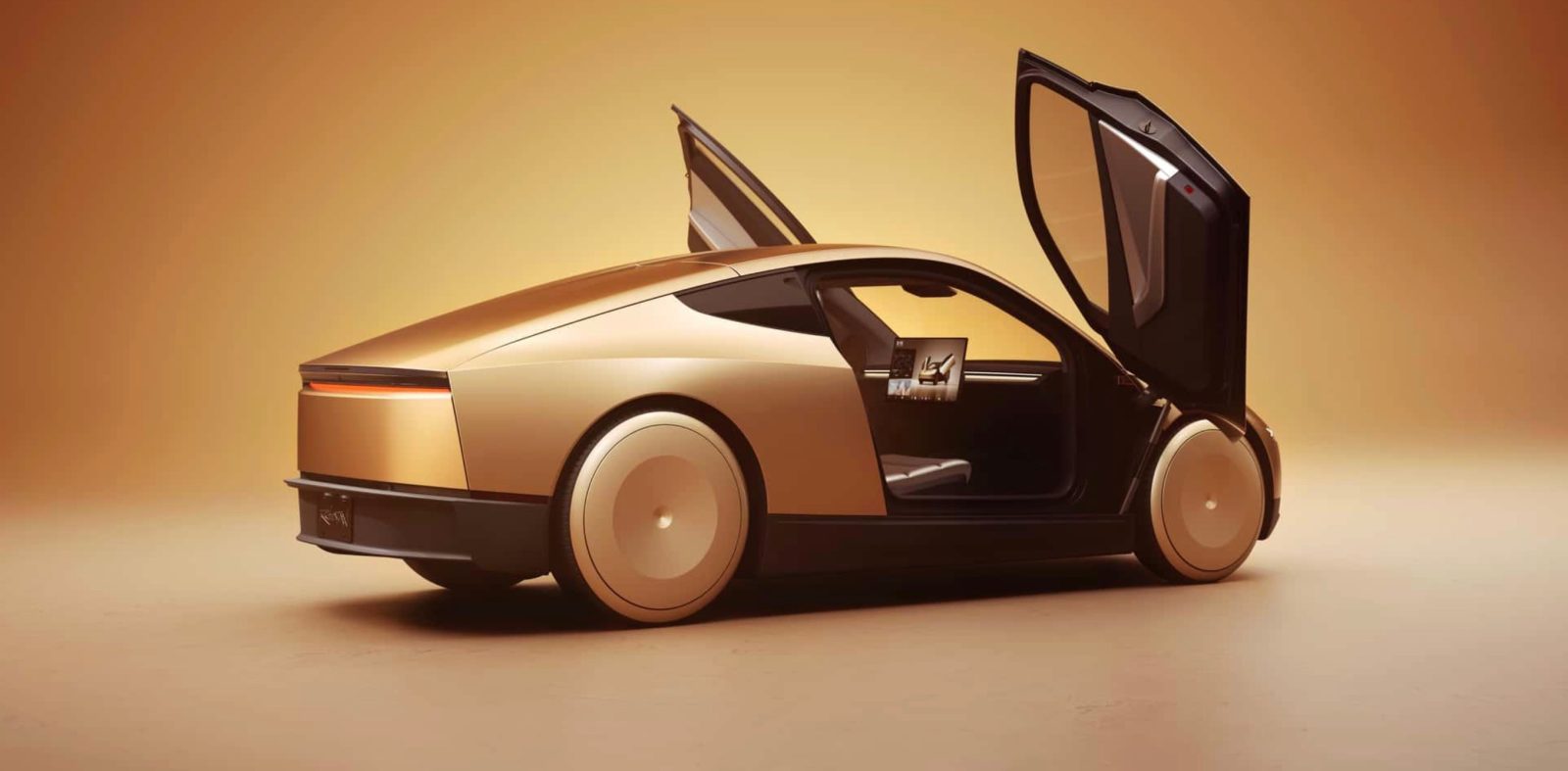
Tesla’s Cybercab has been certified at 165 Wh/mi, making it the most efficient electric vehicle ever produced — by a wide margin. The next most efficient EV on the market, the Lucid Air Pure, consumes 28% more energy per mile. Tesla VP of Vehicle Engineering Lars Moravy confirmed the figure, which represents a certified rating — not a marketing claim or internal target. It’s an impressive achievement, but it comes with a massive asterisk: Tesla accomplished this by building a tiny two-seat robotaxi with no steering wheel, no pedals, and a sub-50 kWh battery pack. more…
Amidst increasing pressure for sustainable transportation and energy efficiency, this certification establishes a new industry benchmark for EV performance and design innovation, pushing the boundaries of what's considered efficient.
This development indicates a potential paradigm shift toward highly specialized, efficient urban mobility solutions, challenging conventional EV design and usage models for fleet operations.
The definition of 'efficient EV' is now significantly altered, prioritizing specialized form factors for specific use cases (robotaxi services) over generalized personal vehicles, potentially accelerating fleet electrification.
- · Tesla
- · Robotaxi operators
- · Urban mobility services
- · Battery technology developers
- · Traditional EV manufacturers (generalized models)
- · Internal combustion engine vehicle manufacturers
- · Personal vehicle ownership models (urban)
The Cybercab's efficiency will accelerate the economic viability and deployment of autonomous robotaxi fleets, particularly in dense urban environments.
This efficiency benchmark could drive other EV manufacturers to develop more specialized, smaller, and highly efficient vehicles tailored for specific applications.
The widespread adoption of ultra-efficient robotaxis could significantly alter urban planning, reducing the need for personal car ownership and impacting infrastructure development.
This signal links to a primary source. Continuum Brief monitors and indexes it as part of the live intelligence stream — we do not republish source content.
Read at Electrek