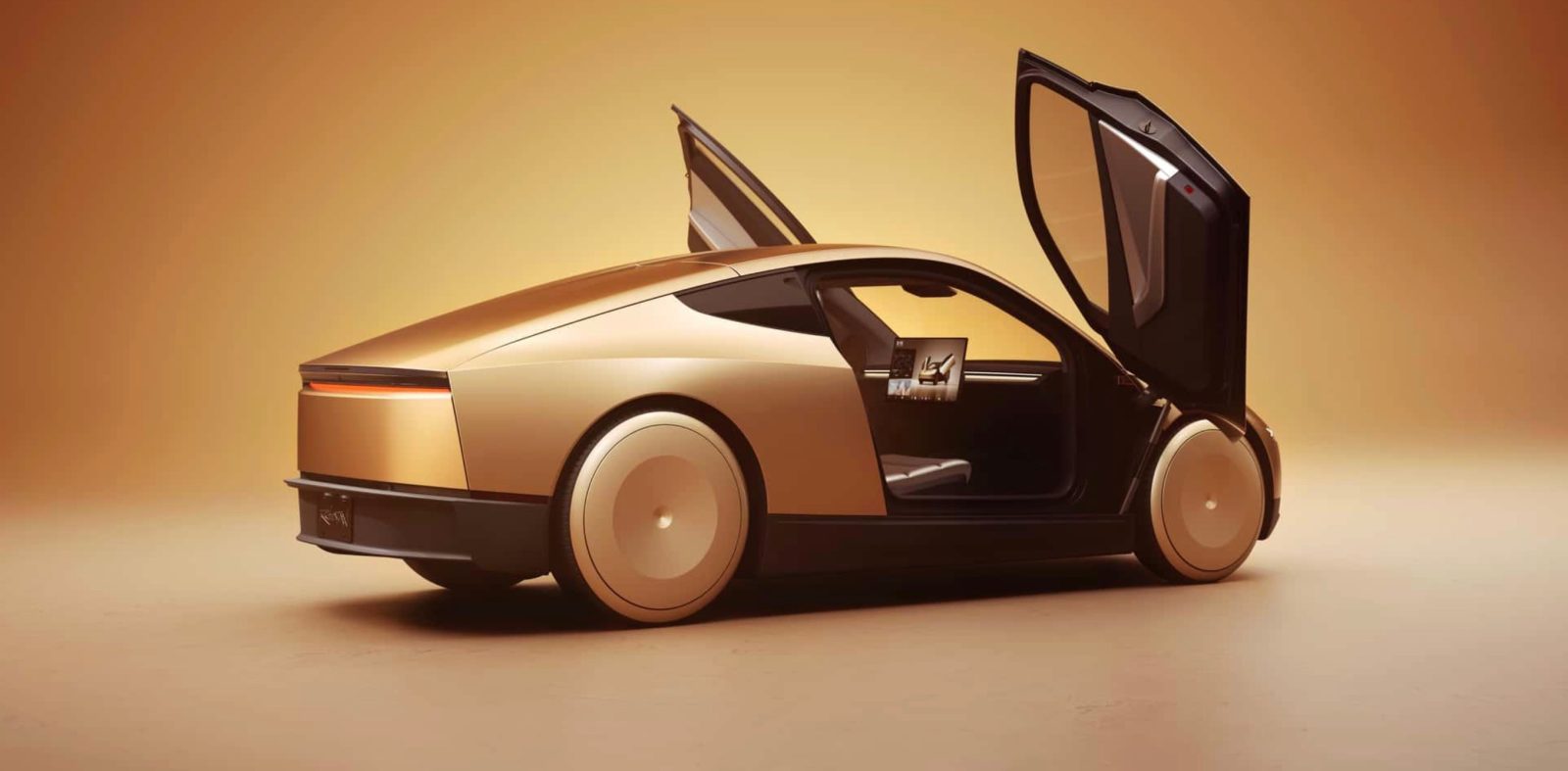
Tesla is ramping up production of the Cybercab at Giga Texas, with more than 100 of the steering-wheel-less two-seaters already spotted in the factory’s outbound lots. The problem is that Tesla can’t sell it to you, and it can’t yet drive itself without a human watching — which raises the obvious question of why Tesla is building the car at all right now.
Tesla is moving aggressively on hardware production for autonomous vehicles despite regulatory and technological readiness gaps, indicating a strategic acceleration of its autonomous roadmap.
This highlights the continuing push by Tesla towards full autonomy and a robotaxi network, challenging conventional automotive sales models and emphasizing vertical integration in EV software and hardware.
Tesla is pre-positioning a significant fleet of dedicated autonomous vehicles, anticipating future regulatory approvals and FSD capabilities, shifting focus from individual ownership to service models.
- · Tesla
- · Early adopters of autonomous ride-hailing
- · Urban mobility sectors
- · Traditional car rental companies
- · Taxi services
- · Other EV manufacturers lagging in autonomy
Tesla accumulates a large fleet of Cybercabs, which will be ready for deployment once full autonomous driving is permissible and reliable.
The presence of a large, ready-to-deploy autonomous fleet puts pressure on regulators to accelerate the definition and approval of autonomous vehicle frameworks.
Mass deployment of Cybercabs could fundamentally alter urban transportation patterns, reducing private car ownership and increasing demand for on-demand autonomous services.
This signal links to a primary source. Continuum Brief monitors and indexes it as part of the live intelligence stream — we do not republish source content.
Read at Electrek