Tesla driver charged with manslaughter in Katy crash was Googling ‘FSD too timid’
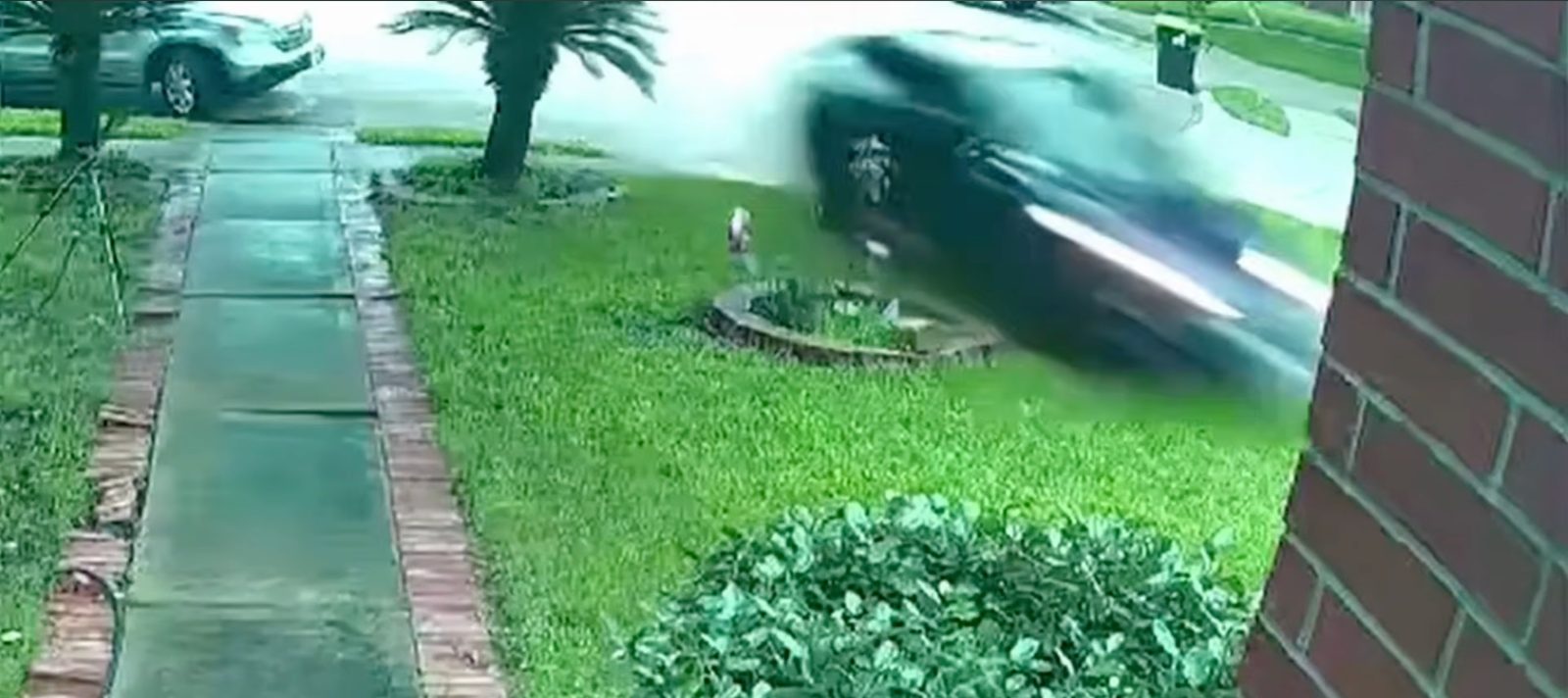
Harris County prosecutors have charged the Tesla driver who crashed into a Katy, Texas, home and killed a 76-year-old woman with manslaughter, alleging he overrode Full Self-Driving to floor the car to 73 mph in a residential cul-de-sac. The charging document also reveals something new: in the weeks before the crash, the driver had been Googling that FSD wasn’t aggressive enough.
This 'FSD too timid' incident crystallizes growing public and regulatory concern around autonomous driving safety and developer responsibility for 'driver' behavior with advanced systems.
This incident exposes critical legal and ethical questions regarding the human-machine interface in autonomous systems, especially when driver intervention is required or encouraged.
The explicit charging of a driver for overriding FSD and previously searching for 'FSD too timid' significantly alters the legal precedent for responsibility in autonomous vehicle incidents.
- · Traditional human-driven vehicle manufacturers
- · Insurance companies specializing in AV liability
- · Public transport systems
- · Tesla
- · Autonomous vehicle developers
- · Early adopters of FSD-like technologies
- · Robotaxi ventures
Increased regulatory scrutiny and potential for more stringent safety testing for autonomous driving systems.
Reduced consumer trust and slower adoption rates for advanced autonomous features, irrespective of improved safety metrics.
A potential shift in autonomous vehicle development towards fully supervised, geographically constrained robotaxi models rather than broad consumer-facing FSD products.
This signal links to a primary source. Continuum Brief monitors and indexes it as part of the live intelligence stream — we do not republish source content.
Read at Electrek