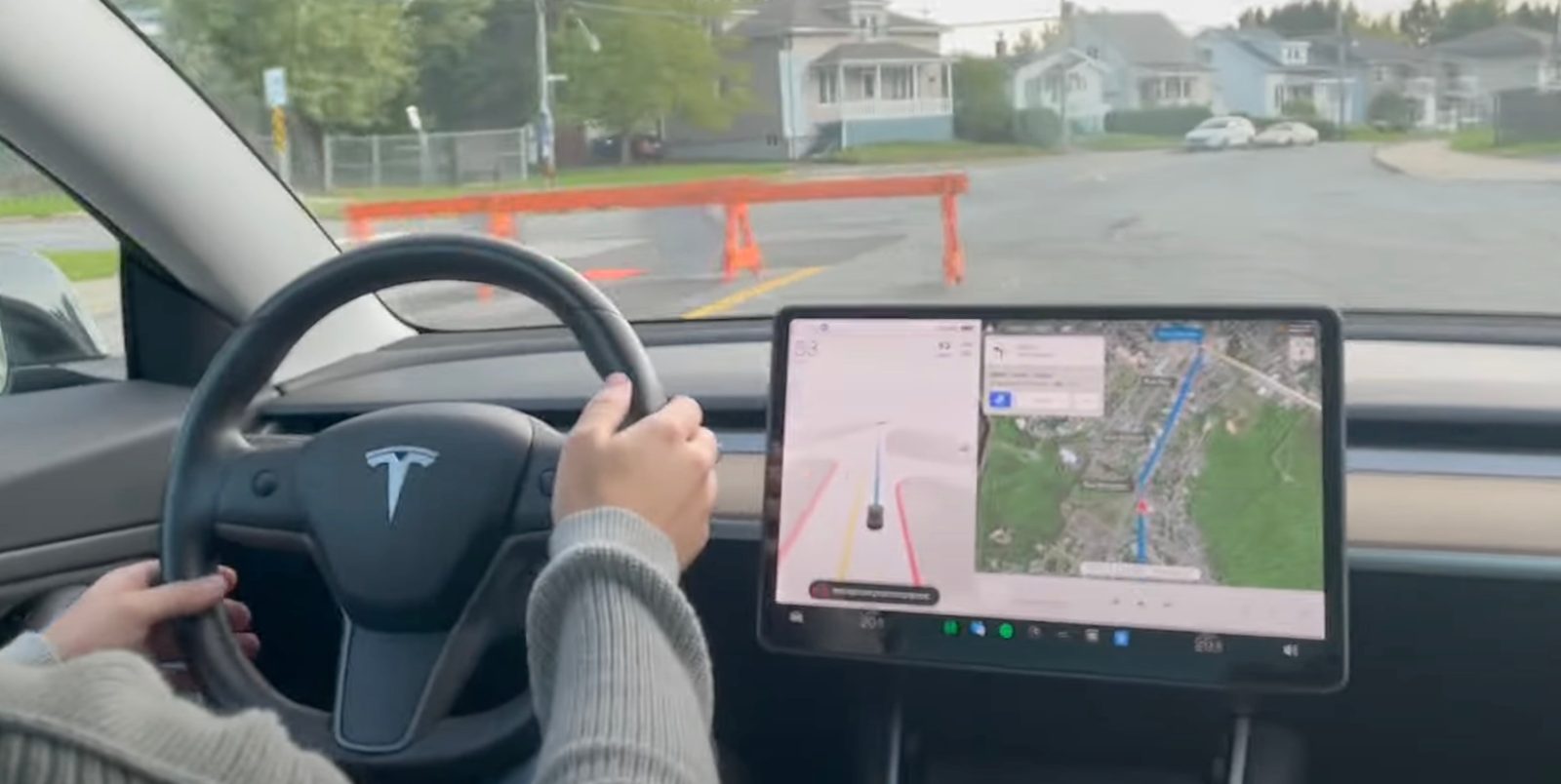
I was the first journalist to test Tesla’s Autopilot before it launched over a decade ago. I’ve tested every version of Autopilot and “Full Self-Driving” since. FSD v14 is by far the most impressive — and that’s exactly what makes it the most dangerous. The danger isn’t that FSD v14 is bad. The danger is that it’s so good enough that it can make you stop paying attention — and Tesla is not doing enough to discourage complacency. In fact, I’d argue that it is actively encouraging complacency with its marketing. more…
The rapid advancement of FSD version 14 highlights an accelerating trend toward highly capable autonomous driving systems and the cognitive challenges they pose to human drivers.
This event is important because it underscores the critical human-machine interface issues in advanced autonomy, particularly the risk of over-reliance and complacency, which can have significant safety and regulatory implications.
The perception of autonomous system reliability is changing, moving from skepticism to concern over human complacency and the lack of systemic encouragement for active driver engagement.
- · Tesla (if safety issues are managed)
- · Autonomous driving technology developers
- · Insurance companies (once liability frameworks mature)
- · Consumers seeking convenience
- · Tesla (if unmanaged safety incidents occur)
- · Traditional car manufacturers not investing in autonomy
- · Human drivers (if complacency leads to accidents)
- · Regulators ill-prepared for advanced autonomous systems
Heightened regulatory scrutiny on Tesla's FSD and other advanced driver-assistance systems regarding user interface and safety protocols.
An industry-wide re-evaluation of autonomous system messaging and design to actively prevent driver complacency and ensure human oversight remains engaged.
Potential for new legal frameworks distinguishing between driver monitoring and actual driver intervention responsibilities in a highly automated vehicle context.
This signal links to a primary source. Continuum Brief monitors and indexes it as part of the live intelligence stream — we do not republish source content.
Read at Electrek