Tesla in-cabin camera fails to prevent 60 mph naps as Wisk Aero faces lawsuit
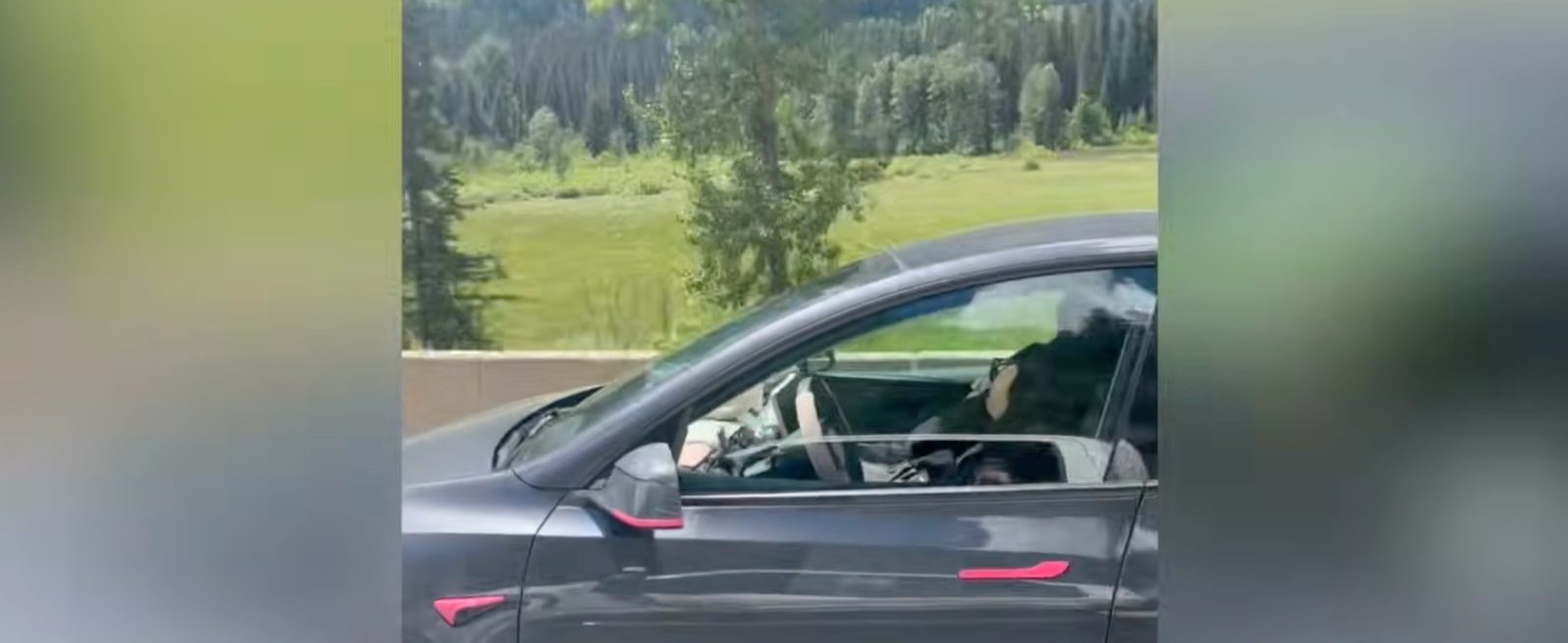
On today’s surveillance-heavy episode of Quick Charge , it sure looks like Tesla’s in-cabin driver cam failed to stop one woman from falling asleep at the wheel, but safety and attention monitoring may not be the end game for that camera after all.
The proliferation of advanced driver-assistance systems and autonomous vehicle development forces a reckoning with the limitations and liabilities of current in-cabin monitoring technologies.
This incident highlights critical safety and regulatory challenges for autonomous and semi-autonomous vehicles, impacting public trust, insurance models, and the pace of adoption.
The focus on active driver surveillance and its efficacy is being reinforced, pushing for more robust and potentially more invasive monitoring solutions in autonomous systems.
- · Companies developing advanced biometric sensors
- · Developers of more sophisticated AI-driven driver monitoring systems
- · Regulatory bodies pushing for stricter safety standards
- · L3/L4 autonomous vehicle developers relying on current in-cabin tech
- · Early adopters of advanced driver-assistance systems
- · OEMs facing liability for system failures
Public scrutiny of ADAS safety features increases, potentially slowing widespread adoption.
New regulations requiring more advanced and mandatory driver monitoring systems for vehicles with autonomous features are introduced.
The liability landscape for autonomous vehicle accidents undergoes significant redefinition, potentially shifting more responsibility to manufacturers and software providers.
This signal links to a primary source. Continuum Brief monitors and indexes it as part of the live intelligence stream — we do not republish source content.
Read at Electrek