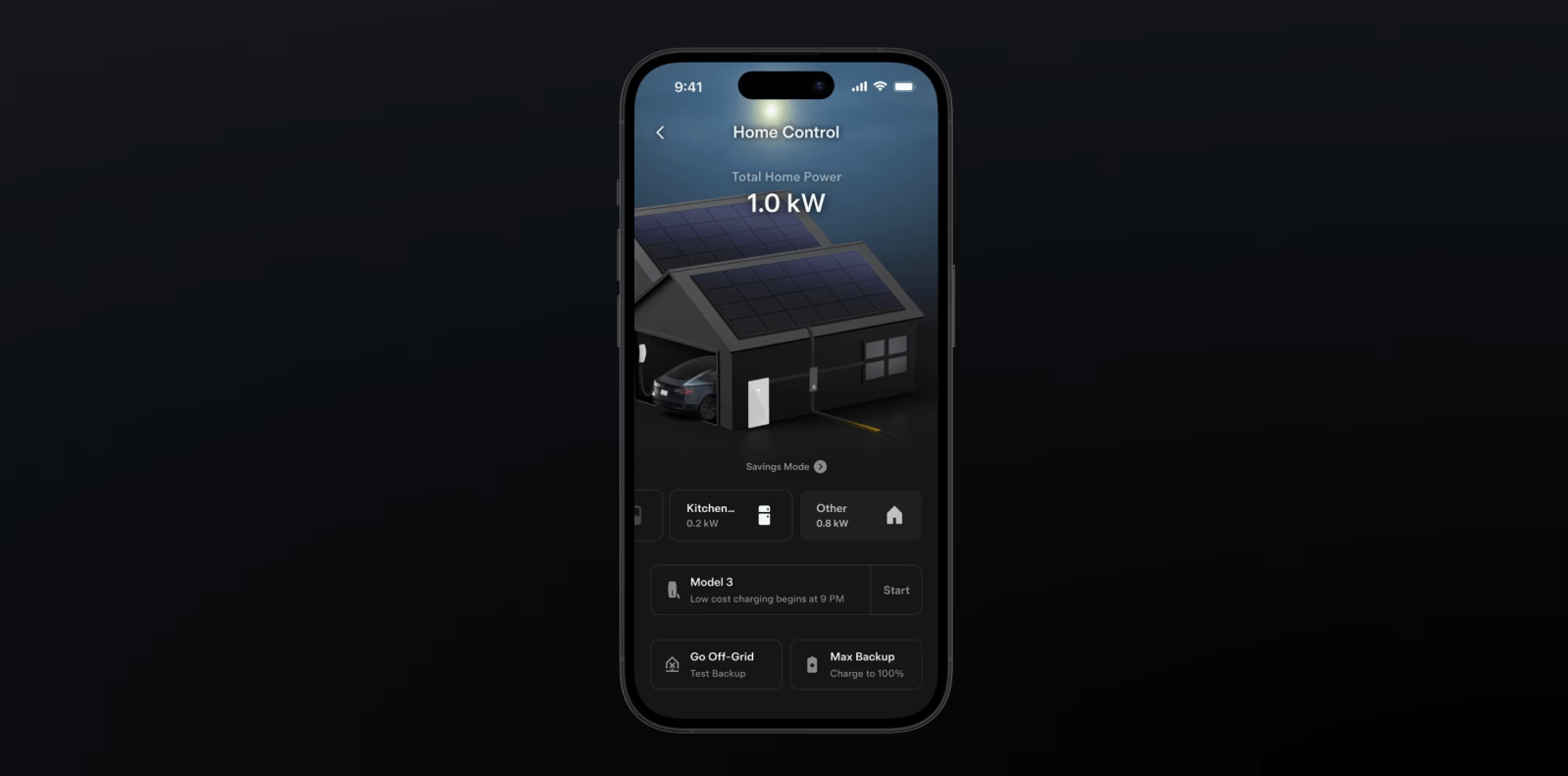
Tesla has launched Tesla Home, a home energy management platform powered by an AI engine called Opticaster that it says makes “hundreds of decisions” a day about when to store and use electricity to lower your bill. However, it’s not an entirely new product as Electrek has been reporting on Tesla’s Opticaster for 5 years .
The mature development of AI, renewable energy, and battery storage technologies converge to enable sophisticated, autonomous home energy management solutions.
This represents a significant step towards decentralized energy grids and intelligent demand-side management, offering consumers greater control and potentially reducing strain on centralized infrastructure.
Home electricity consumption is no longer a passive act but an actively managed system, optimized by AI to reduce costs and integrate with virtual power plants.
- · Tesla Energy
- · Renewable energy producers
- · Consumers with Powerwalls
- · Virtual power plant operators
- · Traditional utilities (if slow to adapt)
- · Fossil fuel power generators
- · Unoptimized home energy management systems
Individual homes become more energy independent and contribute to grid stability through aggregated response.
Increased adoption of home battery storage and renewable generation will accelerate, challenging existing utility business models.
The proliferation of AI-managed microgrids could lead to a more resilient and distributed energy infrastructure, reducing vulnerability to large-scale outages.
This signal links to a primary source. Continuum Brief monitors and indexes it as part of the live intelligence stream — we do not republish source content.
Read at Electrek