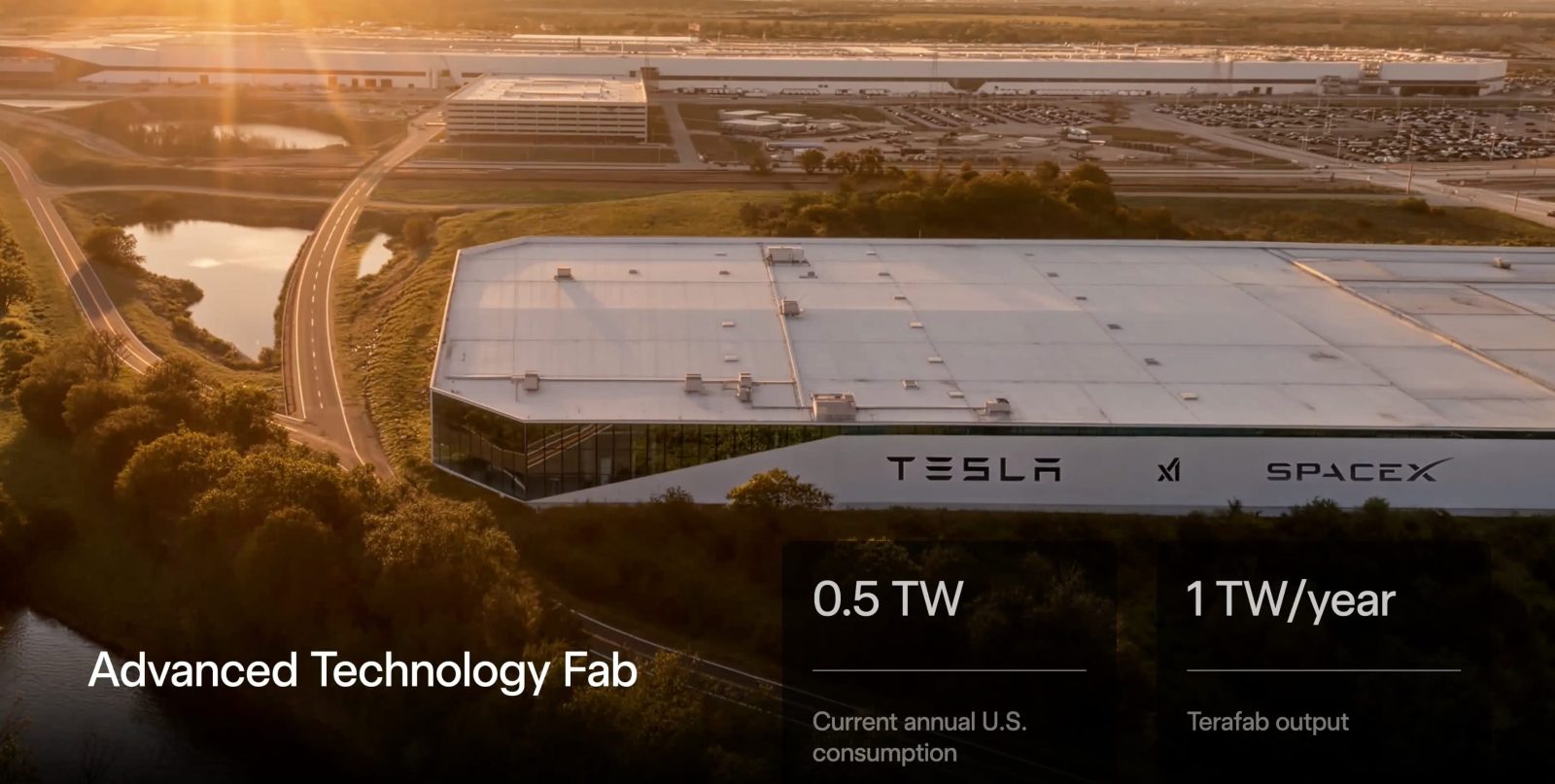
Tesla has hired a 17-year Intel manufacturing veteran to serve as “Director, Terafab,” the first named leadership hire tied to the automaker’s ambitious Austin chip fab project. The executive, who started at Tesla this month, most recently ran tool installation and ramp for Intel’s cutting-edge 18A process — exactly the experience Tesla lacks in-house.
The accelerating demand for advanced semiconductors and the geopolitical drive for supply chain resilience are pushing companies like Tesla to pursue in-house fabrication capabilities.
Tesla's move into leading-edge chip manufacturing signals a significant vertical integration trend among major tech firms, impacting the semiconductor industry's structure and competition.
Tesla is directly challenging established chip manufacturers by building its own fabrication expertise, potentially disrupting the traditional fabless model and increasing its control over its technology stack.
- · Tesla
- · Vertical integration strategies
- · US domestic chip manufacturing
- · Traditional foundry services (some segments)
- · Companies dependent on external chip supply without internal expertise
Tesla gains critical in-house expertise for advanced chip manufacturing, reducing reliance on external foundries for its specialized AI and automotive chips.
Other major tech companies may accelerate similar vertical integration efforts, intensifying competition for skilled fab talent and driving further fragmentation of the semiconductor supply chain.
Increased domestic chip manufacturing by non-traditional players like Tesla could contribute to geopolitical goals of supply chain resilience, but also strain resources like water and energy in production regions.
This signal links to a primary source. Continuum Brief monitors and indexes it as part of the live intelligence stream — we do not republish source content.
Read at Electrek