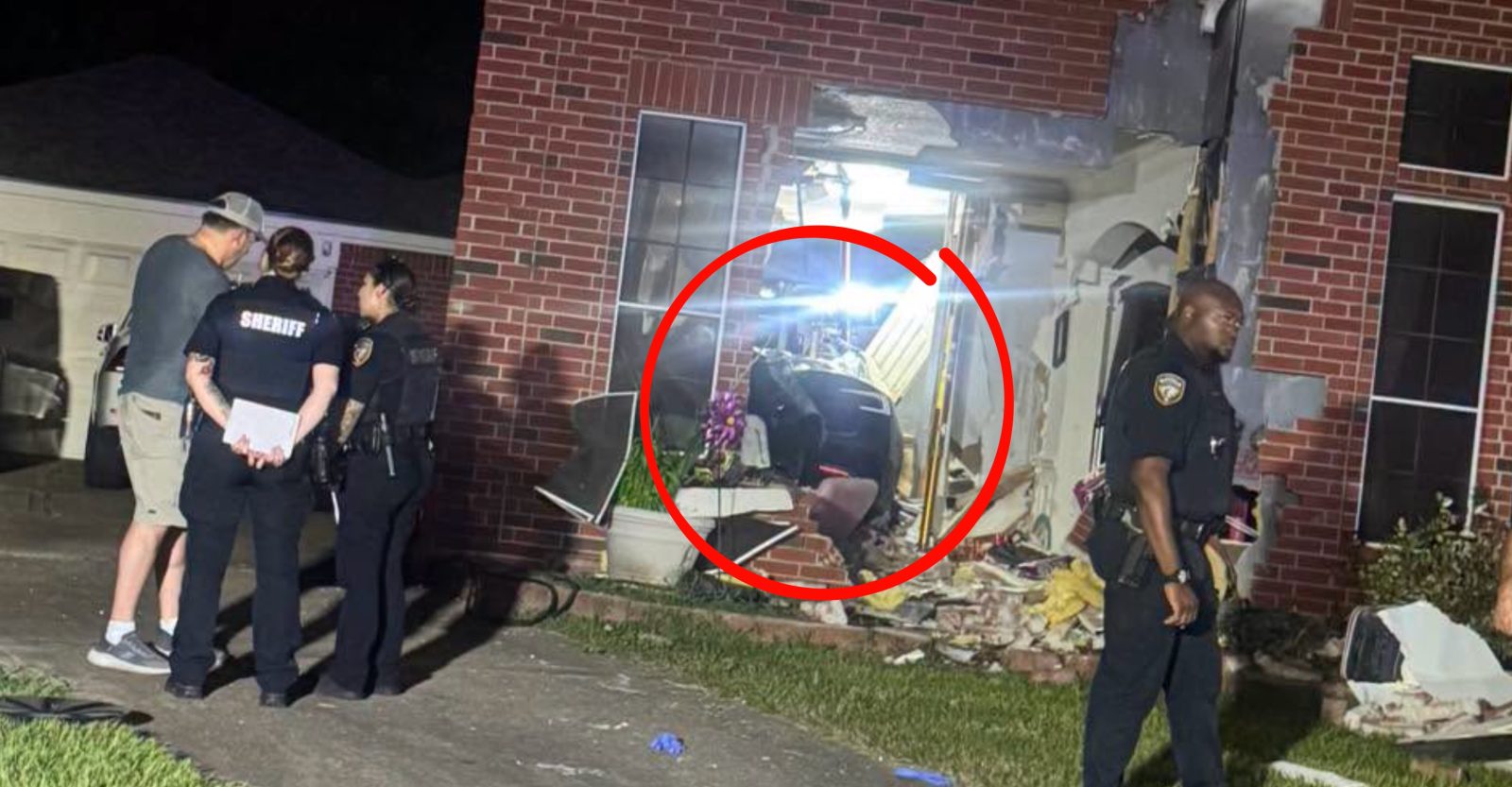
The family of a 76-year-old woman killed when a Tesla Model 3 crashed into her Katy, Texas, home has sued Tesla and the driver, alleging the company’s “Autopilot” and “Full Self-Driving” systems are defectively designed. The wrongful death suit lands just days after the crash — and it leans on the same argument that produced last year’s landmark $243 million Autopilot verdict against Tesla in Florida.
This lawsuit highlights the immediate legal and reputational risks for autonomous driving systems, coming shortly after a similar landmark verdict, intensifying scrutiny on the technology.
The growing legal challenges and successful lawsuits against Tesla's autonomous features could significantly impact the development, regulation, and public adoption of self-driving technology across the industry.
The legal precedent set by these cases could force manufacturers to fundamentally reassess their marketing, safety claims, and engineering of advanced driver-assistance systems, potentially slowing deployment.
- · Legal firms specializing in product liability
- · Traditional auto manufacturers with conservative ADAS rollouts
- · Regulators pressing for stricter autonomous vehicle standards
- · Tesla
- · Autonomous driving technology companies
- · Investors in ADAS/autonomous vehicle startups
Increased legal scrutiny and financial liability for manufacturers of advanced driver-assistance systems and autonomous vehicles.
Greater regulatory intervention and stricter certification processes for self-driving features, potentially delaying widespread adoption.
A shift in consumer perception, leading to decreased trust in current 'self-driving' branding and potentially slowing broader acceptance of autonomous vehicles.
This signal links to a primary source. Continuum Brief monitors and indexes it as part of the live intelligence stream — we do not republish source content.
Read at Electrek