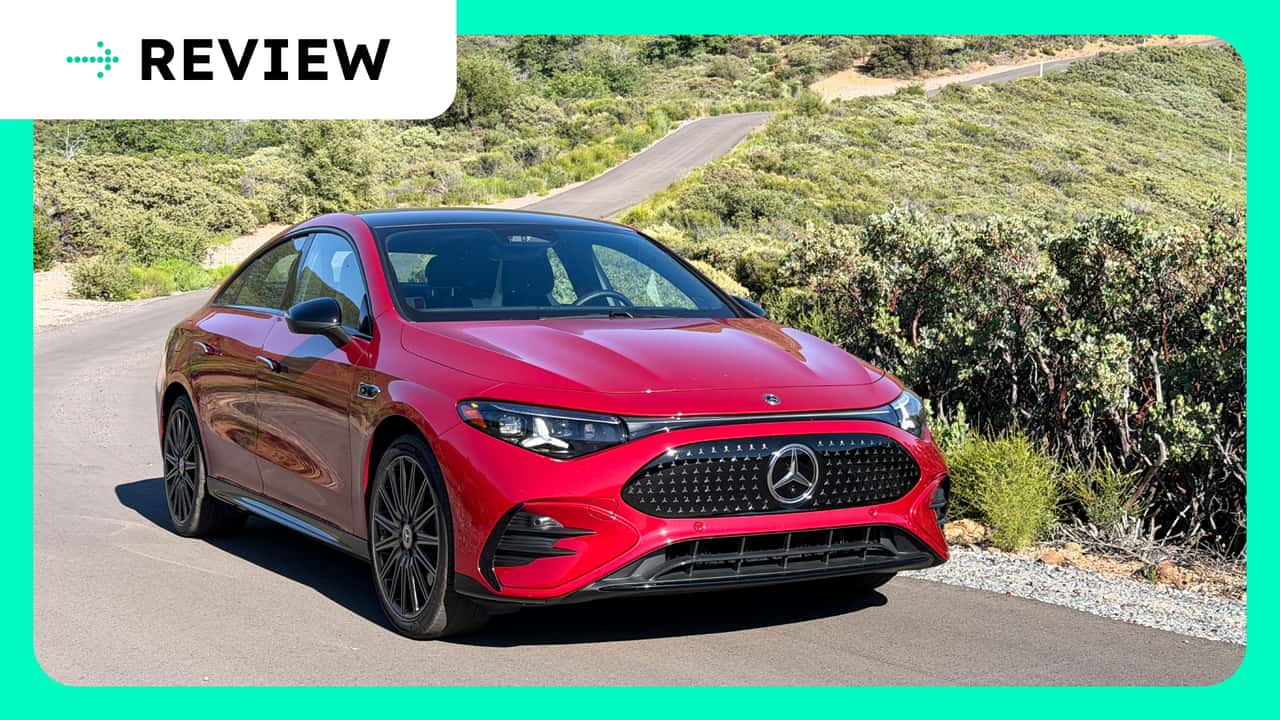
It is so lovely to drive. But the more I lived with it, the more annoyed I got.
The increasing sophistication of autonomous vehicle systems is bringing both advanced capabilities and user experience challenges to the fore in new vehicle releases.
This highlights the ongoing tension between technological advancement in autonomous systems and the real-world user experience, which is critical for mass adoption and brand perception.
Automakers must now increasingly balance integrating impressive autonomous driving features with ensuring these features do not detract from the overall user experience, indicating a maturation in design considerations.
- · Automakers focused on intuitive UX for autonomous features
- · Software developers specializing in human-machine interaction
- · Automakers prioritizing raw tech over user experience
- · Legacy vehicle design philosophies
Initial positive impressions of advanced EV capabilities are increasingly being tempered by practical annoyances of living with the technology.
Consumer expectations for seamless integration and reliability of autonomous features will rise, putting pressure on manufacturers to refine their systems beyond basic functionality.
The definition of 'premium' in automotive will shift from raw performance or features to the effortless and intuitive integration of complex technologies.
This signal links to a primary source. Continuum Brief monitors and indexes it as part of the live intelligence stream — we do not republish source content.
Read at InsideEVs