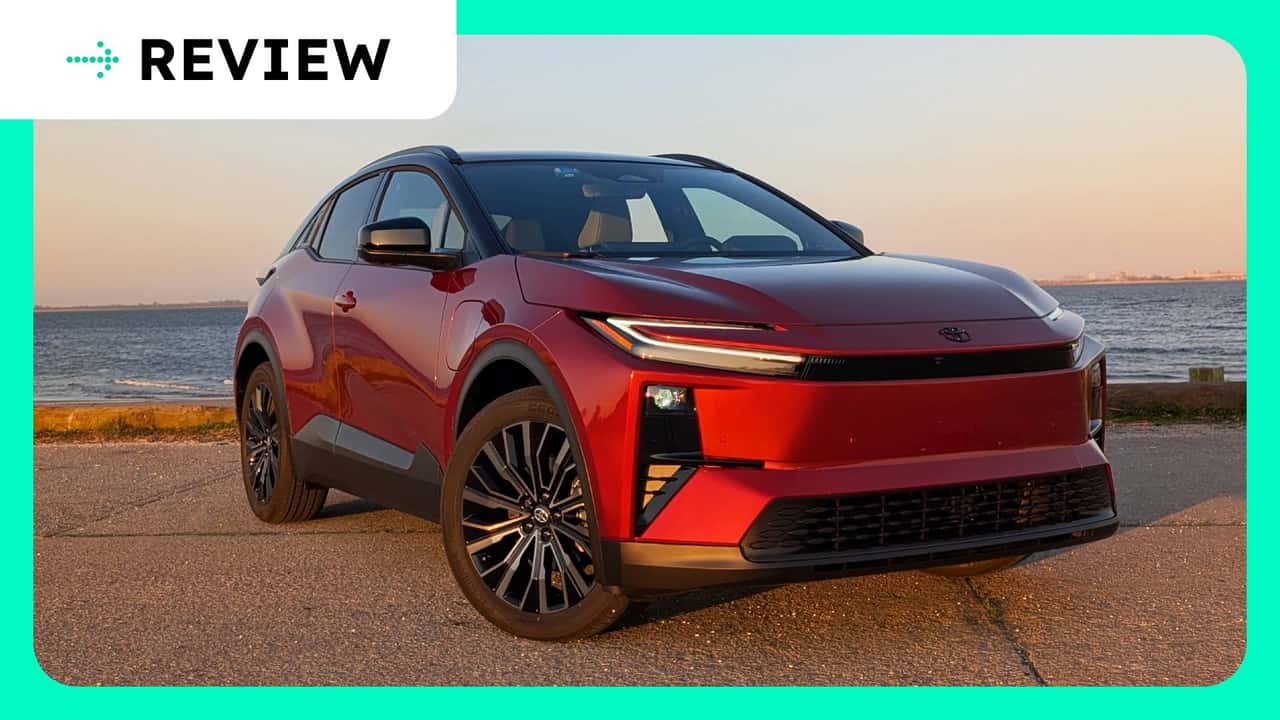
The C-HR is a fun EV wrapped in an outdated experience. It proves that new doesn't mean compelling.
The proliferation of new EV models is creating a competitive landscape where consumer expectations for modern experience design are increasing rapidly, especially as legacy automakers pivot to electric platforms.
This highlights a critical challenge for traditional automakers: simply electrifying existing models or offering new EVs with outdated interfaces will not be sufficient to compete with native EV companies.
The focus for success in the EV market shifts beyond just powertrain to include a holistic, modern user experience, demanding rapid innovation in interior design, software, and connectivity.
- · Native EV manufacturers
- · Automotive software developers
- · Consumer electronics companies
- · Legacy automakers slow to adapt
- · Suppliers of traditional automotive components
- · Internal combustion engine vehicle market segments
Consumer adoption of EVs may be hindered if offerings do not meet modern technology expectations.
Aggressive R&D in automotive user experience and infotainment systems will become a key differentiator and investment area for automakers.
The definition of luxury or premium in automobiles will increasingly include software and seamless digital integration, potentially disrupting established brand hierarchies.
This signal links to a primary source. Continuum Brief monitors and indexes it as part of the live intelligence stream — we do not republish source content.
Read at InsideEVs