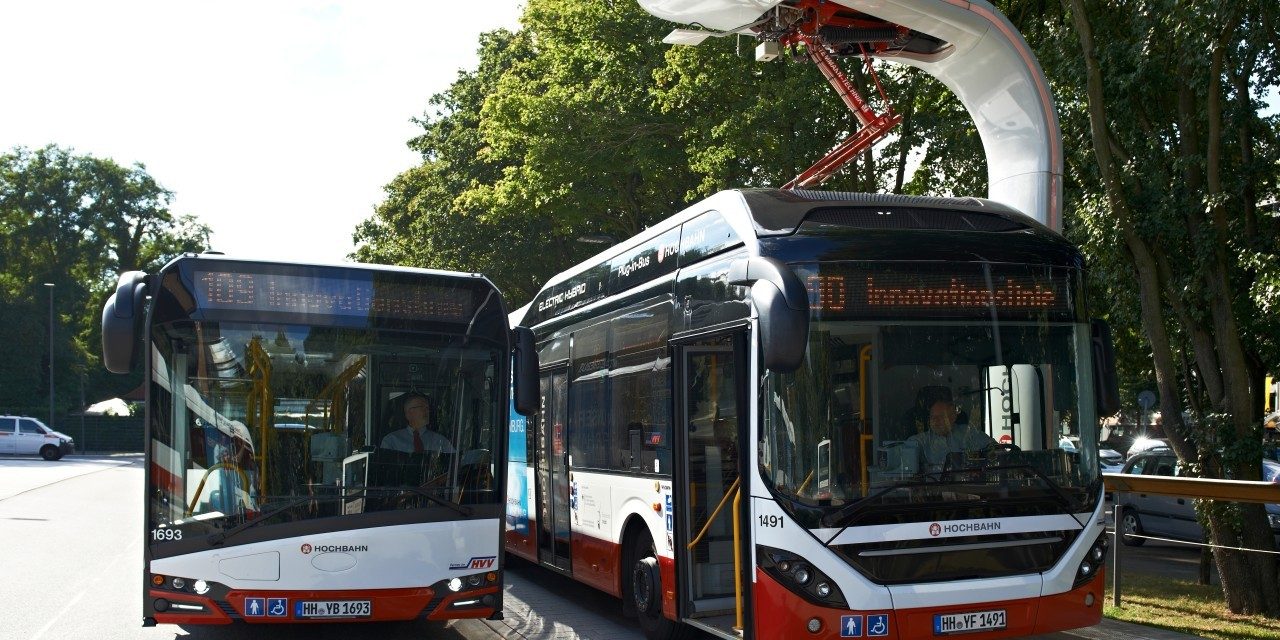
The Washington, DC, metro area is getting its first en-route overhead pantograph electric bus chargers.
The increased push for electric vehicle adoption and infrastructure build-out, supported by government initiatives and technological advancements, makes this a timely development.
This development indicates a tangible step towards decarbonizing urban transportation and improving air quality, while also necessitating significant grid upgrades and increased electricity demand.
The DC metro area is now beginning to implement the necessary infrastructure to support widespread electric bus fleets, shifting away from fossil fuel dependence in public transit.
- · Electric bus manufacturers
- · Charging infrastructure providers
- · Urban residents
- · Utilities sector
- · Diesel bus manufacturers
- · Fossil fuel industry
The operational cost for public transit agencies may decrease due to lower fuel and maintenance expenses for electric buses.
Increased demand for renewable energy sources and grid modernization projects to support the growing electric vehicle charging infrastructure.
This could serve as a model for other major metropolitan areas, accelerating the nationwide transition to electric public transportation and fostering a new segment of the energy economy.
This signal links to a primary source. Continuum Brief monitors and indexes it as part of the live intelligence stream — we do not republish source content.
Read at Electrek