The Fall of Fortress Singapore: Three Lessons from the Collapse of Britain’s Great Asian Bastion
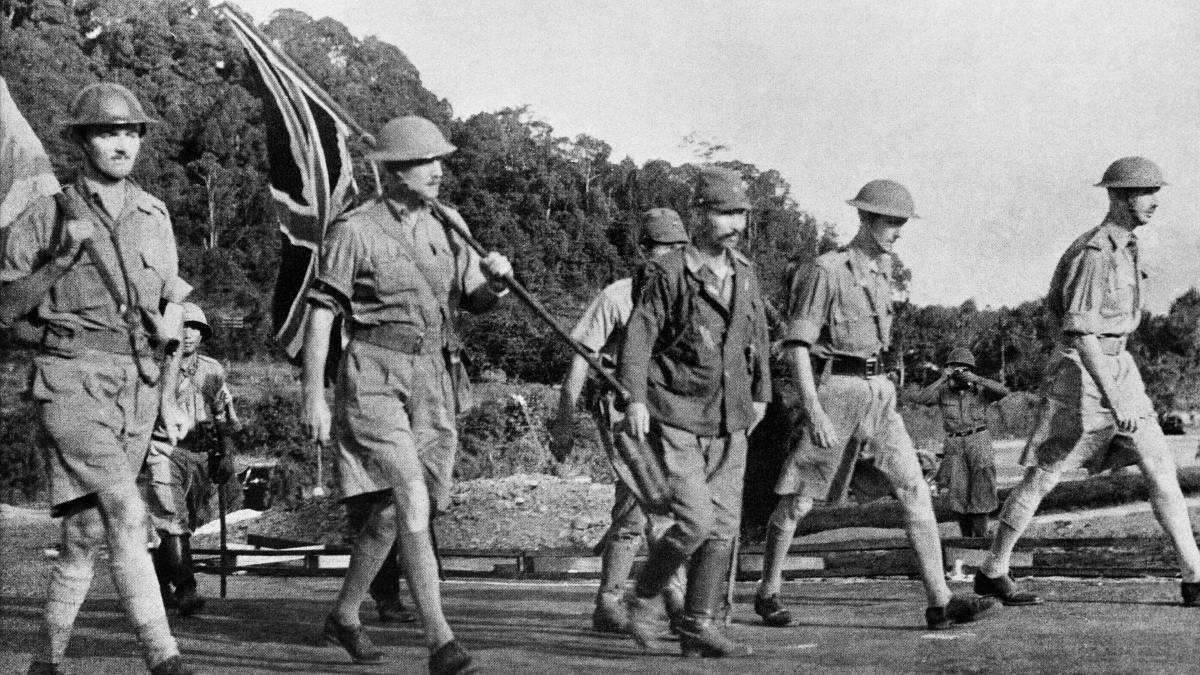
Editor’s note: This is part of a running series of essays by Iskander Rehman, entitled “Applied History,” which seeks, through the study of the history of strategy and military operations, to better illuminate contemporary defense challenges.The fall of Singapore on February 15 stupefied the Prime Minister. How came 100,000 men … to hold up their hands to inferior numbers of Japanese? Though his mind had been gradually prepared for its fall, the surrender of the fortress stunned him. He felt it was a disgrace. It left a scar on his mind. One evening, months later, when he was sitting in The po
The article is part of a 'Special Series' on 'Applied History,' offering historical perspectives to illuminate contemporary defense challenges, without indicating any immediate new developments.
While providing historical context to military strategy, this specific article does not introduce new data or insights directly relevant to current structural changes in geopolitics, markets, or technology.
No immediate changes are apparent from this historical analysis; it serves more as reflection than a driver of current events or shifts.
The article offers historical strategic insights into military operational failures.
Readers might gain a deeper appreciation for the complexities and potential pitfalls of defense planning and alliances.
These historical lessons could inform future strategic thinking within defense institutions, if actively integrated into policy-making.
This signal links to a primary source. Continuum Brief monitors and indexes it as part of the live intelligence stream — we do not republish source content.
Read at War on the Rocks