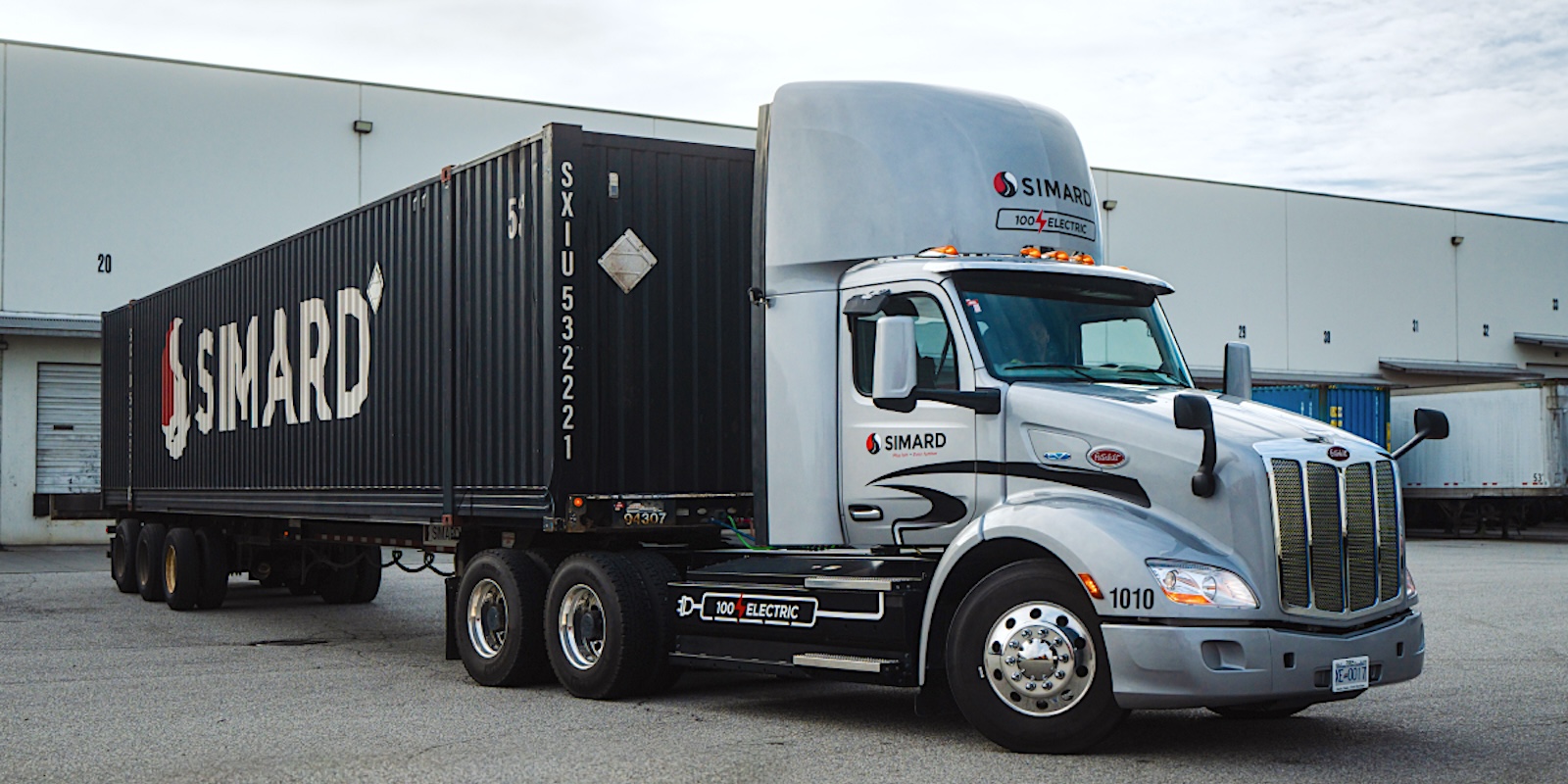
A fleet of electric Peterbilt 579EV Class 8 trucks is being put to work on container-hauling routes at the Port of Vancouver as part of a new, data-sharing pilot program designed to measure real-world benefits of electric drayage trucks on first-mile delivery routes.
Ports are under increasing pressure to decarbonize operations and improve air quality, while electric truck technology has matured enough for real-world pilot deployments.
This pilot provides crucial real-world data on the viability and benefits of electric heavy-duty drayage trucks, influencing future investment and policy in port logistics and freight decarbonization.
The operational use of electric semi-trucks for 'first-mile' drayage is being validated, moving beyond theoretical models to practical application and data collection.
- · Electric truck manufacturers
- · Port authorities committed to decarbonization
- · Logistics companies adopting EV fleets
- · Internal combustion engine truck manufacturers
- · Fuel suppliers (long-term)
- · Ports slow to adopt green logistics
Successful pilot data accelerates broader adoption of electric drayage trucks at other ports.
Increased demand for charging infrastructure and grid upgrades around port areas.
Local air quality improvements and reduced carbon footprints contribute to urban sustainability goals, potentially leading to 'green port' certifications and competitive advantages.
This signal links to a primary source. Continuum Brief monitors and indexes it as part of the live intelligence stream — we do not republish source content.
Read at Electrek