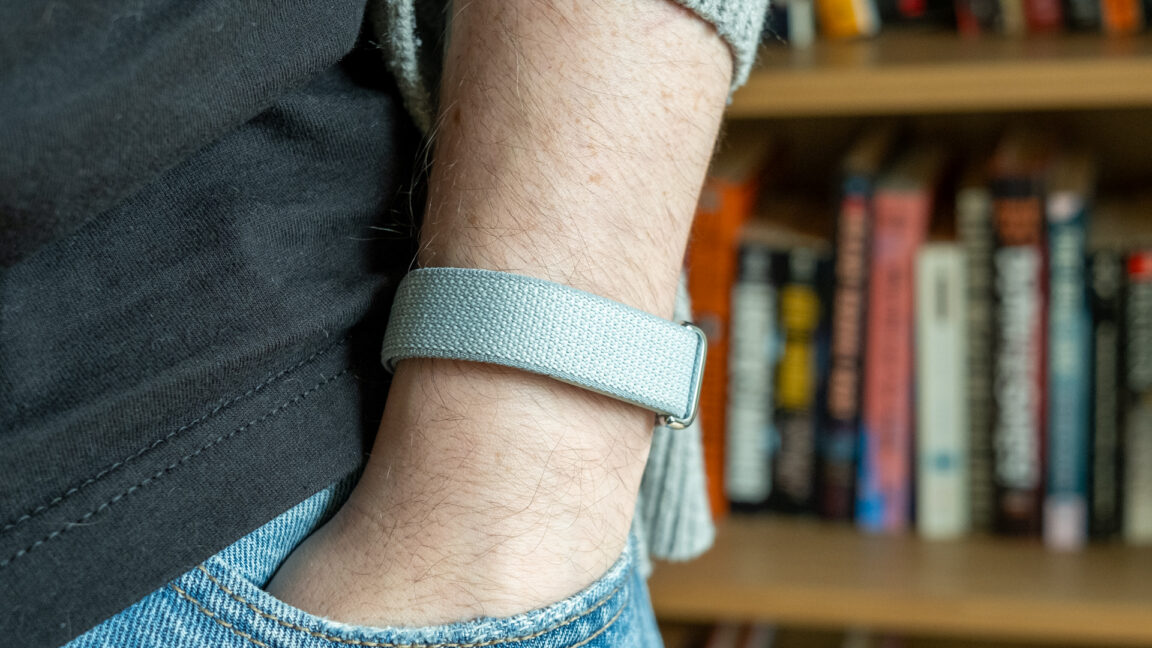
The Air succeeds as a minimalist, reliable fitness tracker, but Google's AI Health Coach feels unnecessary.
The continuous integration of generative AI into consumer products is a current trend, with companies exploring how to embed AI in various devices, including wearables.
This item highlights the ongoing challenge for tech companies to integrate AI meaningfully into consumer products without sacrificing user experience or product utility.
It reinforces the idea that not all AI integrations are beneficial, prompting a deeper evaluation of AI's actual utility versus its perceived market value in consumer tech.
- · Consumers seeking minimalist, effective fitness trackers
- · Wearable companies focusing on core functionality
- · Companies implementing AI indiscriminately into products
- · Google's AI Health Coach
- · Over-engineered AI-driven wearables
The Fitbit Air is perceived as a good fitness tracker despite the AI, suggesting a preference for core utility over unnecessary features.
This reception could lead to a re-evaluation within Google and other tech companies regarding the actual consumer demand for embedded AI 'coaches' in wearables.
Future product development might prioritize sophisticated, less intrusive AI integrations or a return to simpler, dedicated functionalities for consumer electronics.
This signal links to a primary source. Continuum Brief monitors and indexes it as part of the live intelligence stream — we do not republish source content.
Read at Ars Technica — AI