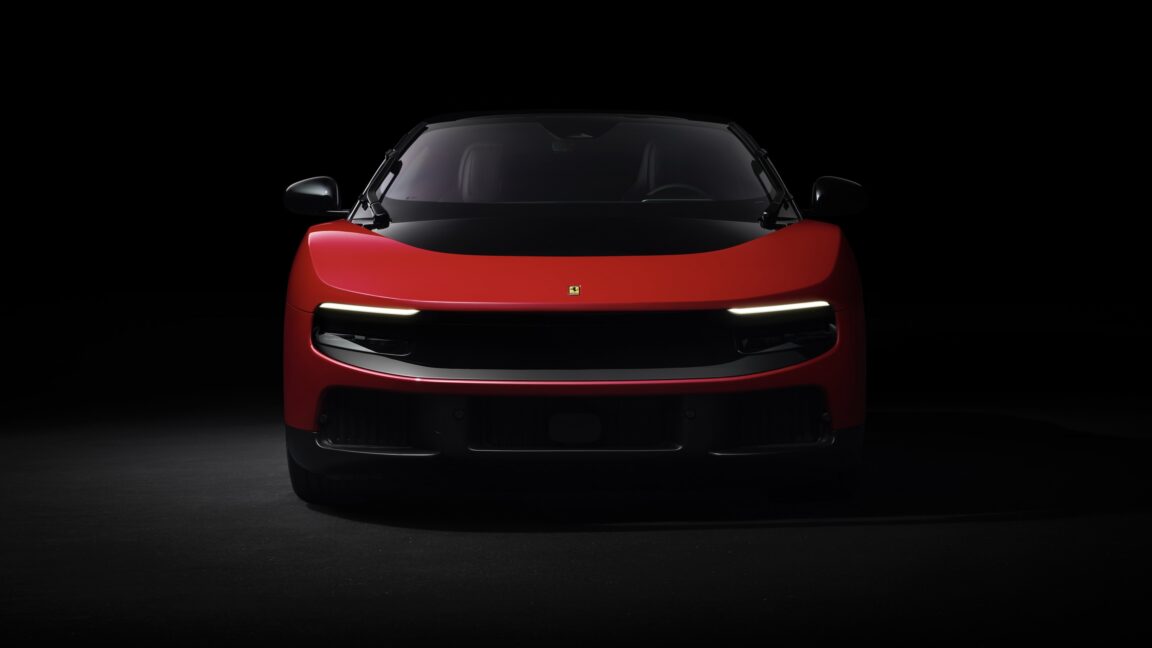
The interior is spectacular; the exterior looks better in person than on screen.
The introduction of a Ferrari EV marks a significant turning point in the automotive industry as even luxury performance brands embrace electrification, driven by environmental regulations and market demand for sustainable vehicles.
This event signifies that the transition to electric vehicles is not just a mainstream trend but is permeating the highest echelons of automotive design and performance, impacting brand identity and competition across the sector.
The perception of electric vehicles as inherently less desirable than internal combustion engines for luxury and performance cars is challenged, potentially accelerating broader EV adoption and investment in high-performance EV technology.
- · Ferrari
- · Electric Vehicle manufacturers
- · Battery technology companies
- · Luxury auto component suppliers
- · Internal combustion engine component suppliers
- · Traditional fossil fuel companies
- · Legacy performance brands slow to electrify
Ferrari's move legitimizes high-performance EVs, potentially inspiring other luxury brands to accelerate their electrification strategies.
Increased competition in the luxury EV segment could drive innovation in battery range and charging infrastructure, benefiting the entire EV ecosystem.
The success of the Luce could influence public perception of EVs, further shifting consumer preferences away from fossil-fuel vehicles globally.
This signal links to a primary source. Continuum Brief monitors and indexes it as part of the live intelligence stream — we do not republish source content.
Read at Ars Technica — Cars