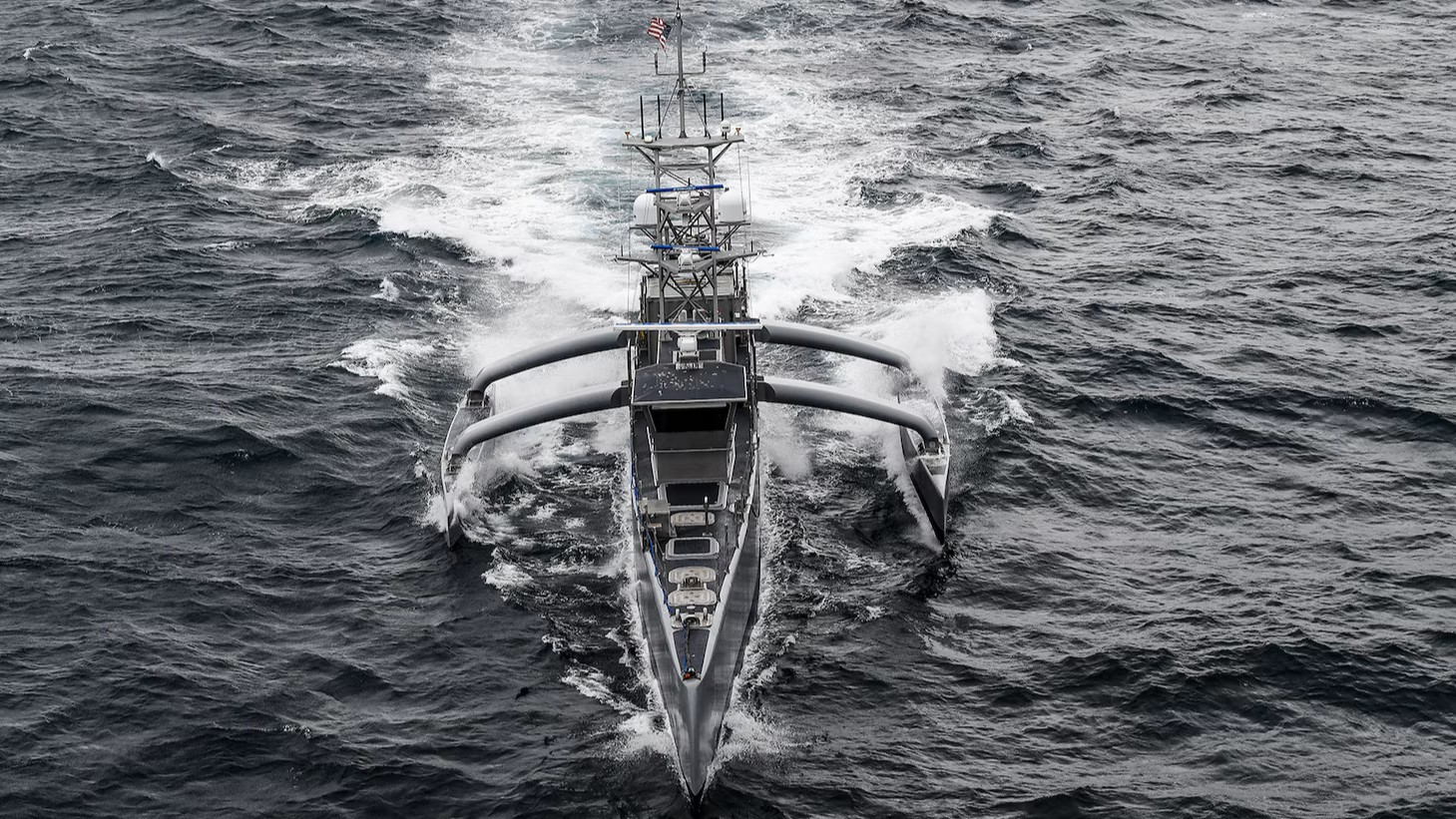
Maintaining deterrence in the Indo-Pacific and around the world requires the U.S. Navy to change what it builds and how it fights. Sen. Roger Wicker observed in 2024 that the United States’ approach to fleet design and ship construction is “too small and too old.” The current model of naval power cannot scale at the speed modern war demands. The war with Iran is already exposing the limits. High-end ships are being consumed in sustained operations, munitions inventories are thinning, and replacement timelines for exquisite weapons stretch into years. Against a more capable adversary, such as C
The ongoing conflict with Iran and the growing competition with China are exposing critical vulnerabilities in the US Navy's current fleet design and operational strategy, necessitating a clear articulation of required changes.
This articulates a strategic re-evaluation of naval power, moving towards 'precise mass' which implies a fundamental shift in defense procurement and operational doctrine to maintain global deterrence.
The US Navy's focus shifts from a paradigm of expensive, high-end platforms to a more scalable, distributed, and rapidly replaceable fleet, demanding new approaches to acquisition and combat.
- · Defence Tech Companies (Autonomy/Drones)
- · US Naval Planners/Strategists
- · Shipbuilders focused on smaller, modular designs
- · Software and AI contractors
- · Traditional large-ship manufacturers
- · Legacy defence contractors resistant to change
- · Adversaries relying on current US naval vulnerabilities (e.g., China)
- · Policymakers resistant to defense spending reallocation
Increased investment in unmanned systems, AI-driven command and control, and additive manufacturing for defense applications.
Accelerated development and integration of autonomous naval platforms and swarming capabilities, leading to a more distributed and resilient fleet architecture.
A global arms race in autonomous naval systems and mass production capabilities, potentially redefining maritime power projection and naval strategy worldwide.
This signal links to a primary source. Continuum Brief monitors and indexes it as part of the live intelligence stream — we do not republish source content.
Read at War on the Rocks