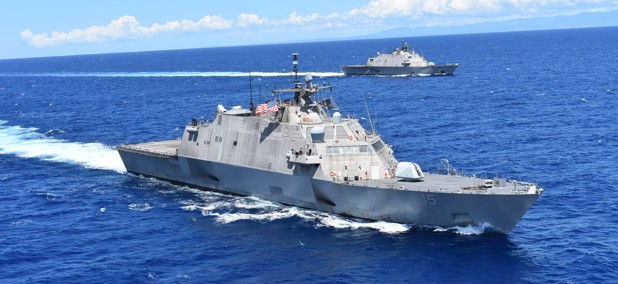
Lessons from the SINKEX are shaping the service’s plans to buy and fight.
The US Navy is actively testing and integrating autonomous systems into its fleet development and combat strategies to maintain a technological edge.
This demonstration provides concrete evidence of unmanned systems' growing capability to deliver significant kinetic effects, signaling a shift in naval warfare doctrine and procurement.
The operational use of drones to sink a warship validates their role beyond reconnaissance, influencing future ship design, defensive strategies, and budgetary allocations.
- · Defense contractors specializing in unmanned systems
- · Naval forces prioritizing drone integration
- · Software and AI defense companies
- · Traditional manned warship manufacturing
- · Navies slow to adopt autonomous technologies
Increased investment in various classes of naval drones for strike and support roles.
Accelerated development of counter-drone technologies and strategies to defend against autonomous threats.
A potential re-evaluation of naval power projection paradigms, with smaller, dispersed, and optionally-manned fleets becoming more viable.
This signal links to a primary source. Continuum Brief monitors and indexes it as part of the live intelligence stream — we do not republish source content.
Read at Defense One