The New Chevy Bolt Was Driven Until It Died. Here’s What Its Battery Buffer Looks Like
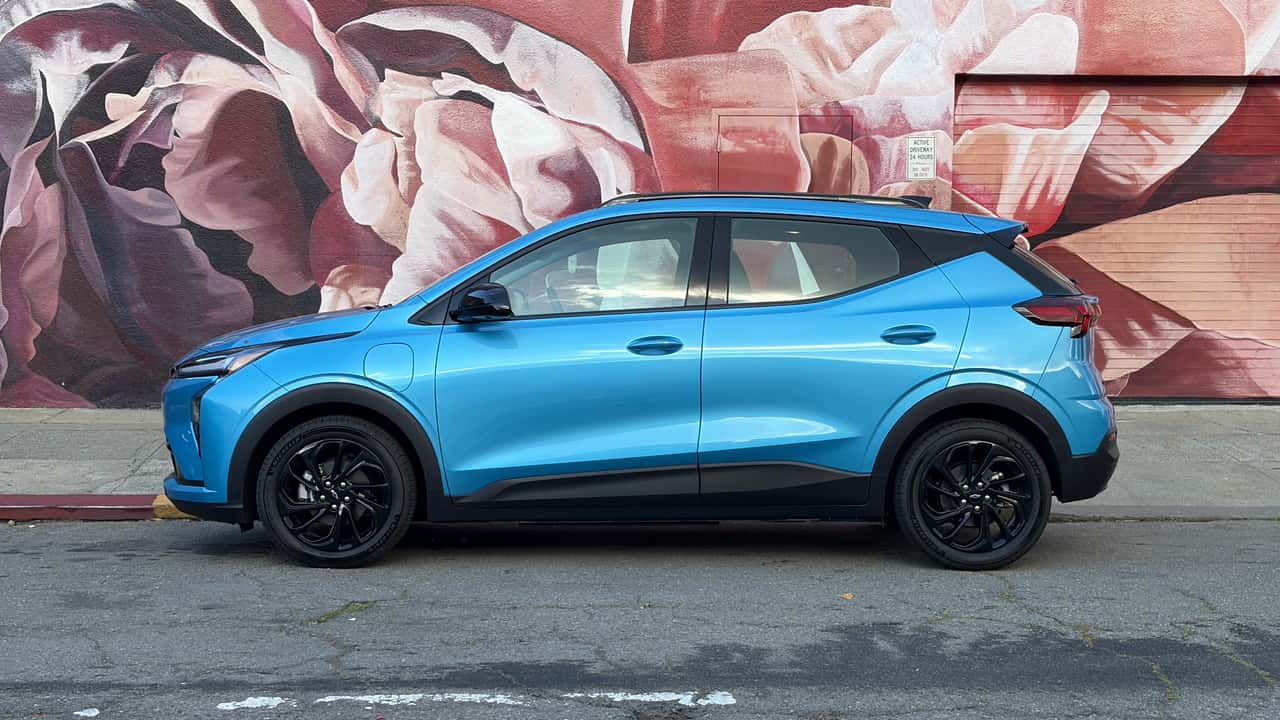
The Bolt has massively improved for model year 2026. But what happens when its state of charge runs really low?
The continuous improvement in EV battery technology and management, driven by consumer demand and regulatory pressures, leads to ongoing advancements and testing.
Improved battery longevity and predictability address a core consumer anxiety for EVs, increasing adoption and enabling new use cases for autonomous systems.
The operational reliability of electric vehicles, especially as they approach their lower charge limits, is improving, making them more competitive with internal combustion engines.
- · General Motors
- · EV manufacturers
- · Electric vehicle owners
- · Autonomous vehicle developers
- · Internal combustion engine vehicle market
Increased consumer confidence in EV range and reliability.
Faster adoption of electric vehicles, potentially accelerating infrastructure build-out.
Enhanced feasibility for electric autonomous vehicle fleets due to predictable and extended operational windows.
This signal links to a primary source. Continuum Brief monitors and indexes it as part of the live intelligence stream — we do not republish source content.
Read at InsideEVs