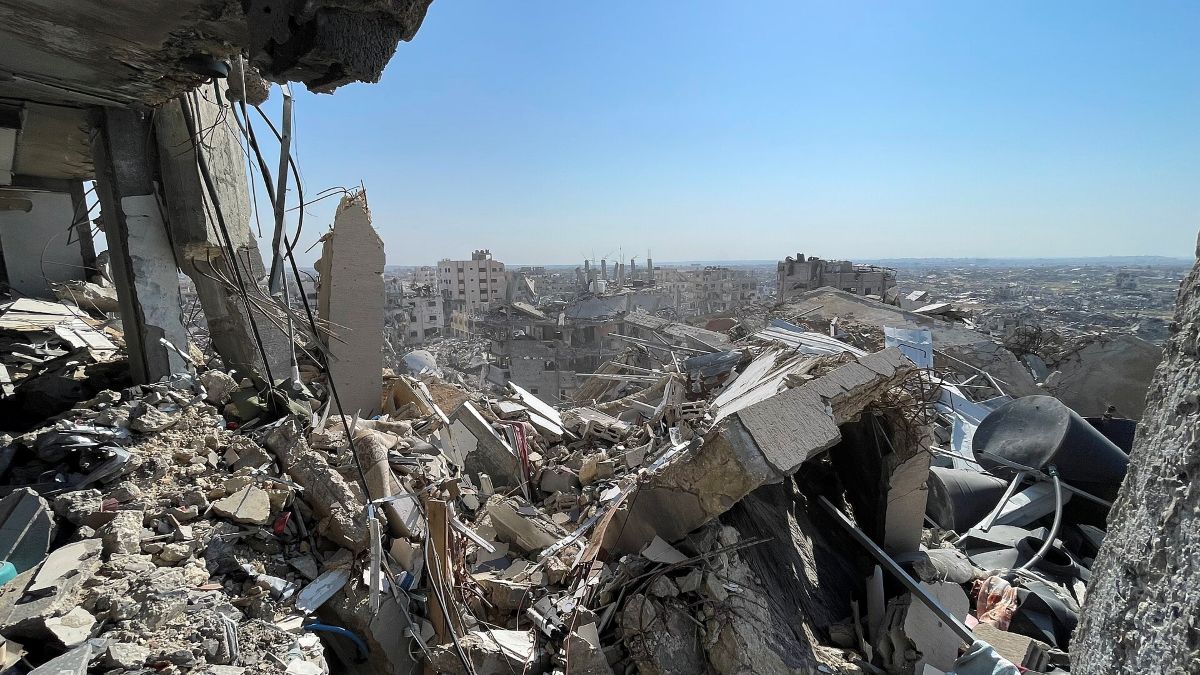
Gaza did not have to look the way it looks. That is not a moral claim. It is an operational one.Claims of necessity are invoked to explain the scale of civilian harm, but they founder in the face of operational logic. Supporters of Israeli methods argue that Gaza’s urban battlefield — tunnels, rocket fire, extreme population density, hostages held underground — left no viable alternative to large-scale destruction. That argument rests on a false assumption: that large-scale fires were inevitable rather than chosen, and that the only tradeoff was between more fires and mission failure. That is
The article is published post-conflict, allowing for initial assessments of military operations and their efficacy regarding stated goals versus actual outcomes. It's an opportune moment for critical operational analysis.
This critical operational analysis challenges prevailing military doctrines and highlights the disconnect between strategic objectives and tactical execution in urban warfare, which is crucial for future defense planning and resource allocation. It calls into question the long-term effectiveness of overwhelming force in specific scenarios.
The article suggests a re-evaluation of military strategies in complex urban environments, potentially leading to shifts in defense spending, training, and the development of alternative engagement methods that prioritize effectiveness over destruction.
- · Irregular warfare strategists
- · Developers of precision, low-collateral weapons
- · Civilian protection advocates
- · Traditional heavy mechanized warfare doctrines
- · Military forces reliant on large-scale destruction
- · Reputations of military strategists behind the Gaza campaign
The article directly critiques the operational soundness of Israel's military campaign in Gaza, arguing that the large-scale destruction was a choice, not an inevitability.
This critique could lead to internal military reviews and external pressure on defense forces to develop more nuanced and effective strategies for urban irregular warfare.
Long-term, it may influence defense tech recapitalization towards technologies and methods that reduce collateral damage while achieving operational objectives, potentially boosting investment in precision strike capabilities and less destructive urban combat solutions.
This signal links to a primary source. Continuum Brief monitors and indexes it as part of the live intelligence stream — we do not republish source content.
Read at War on the Rocks