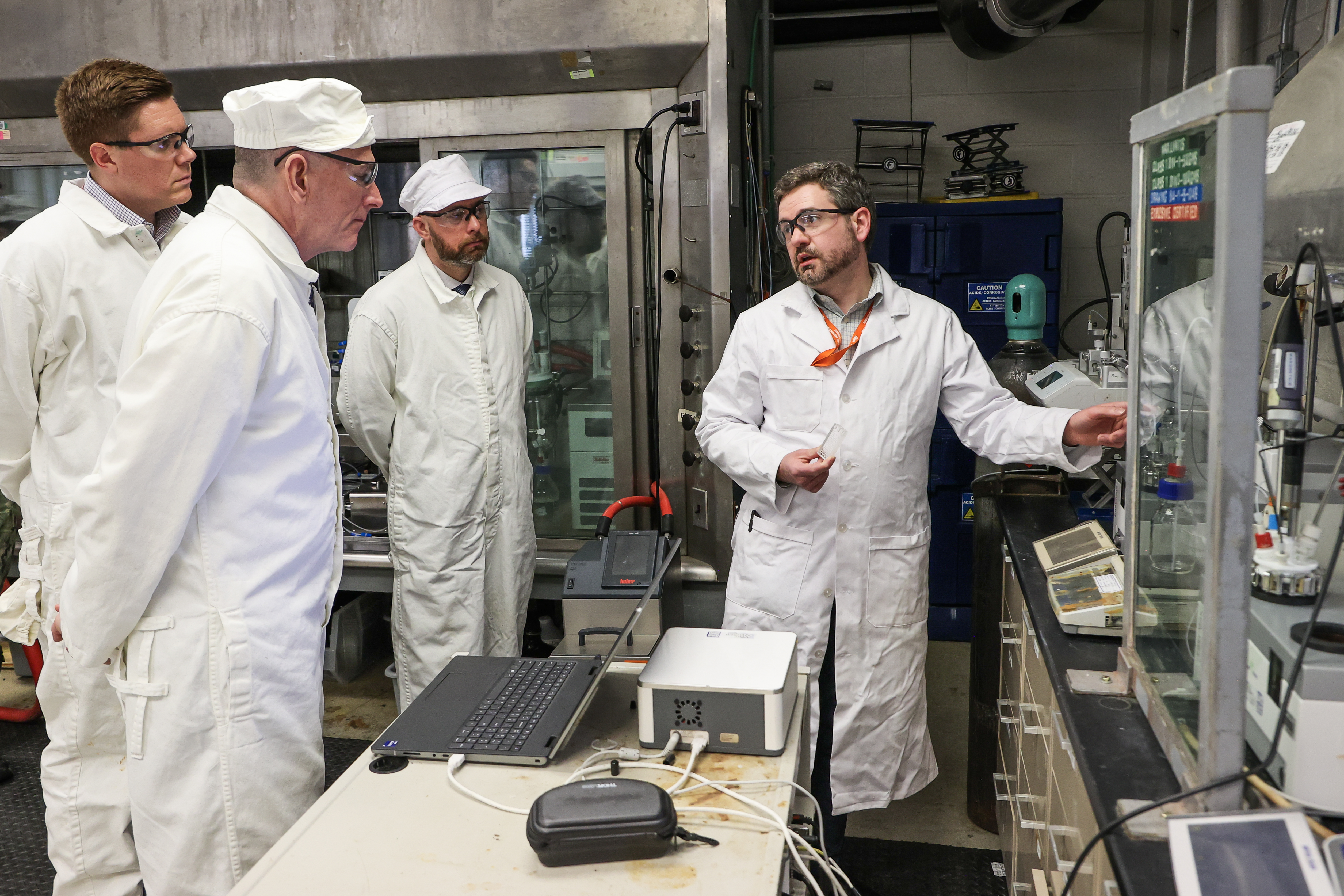
Pentagon research has been hampered by backlogged security clearances, limited funds to build or refurbish labs and a slow and difficult hiring process.
This study highlights systemic issues that have been accumulating for years, now reaching a critical point as global geopolitical tensions demand a robust defense research apparatus.
Deterioration of Pentagon research infrastructure directly impacts the US's ability to innovate and maintain a technological edge in defense, crucial for national security and geopolitical standing.
The explicit identification of challenges like funding, clearances, and hiring suggests a potential impetus for policy changes and increased investment to address these long-standing bottlenecks.
- · Defense contractors focused on infrastructure modernization
- · Consulting firms specializing in government efficiency and hiring
- · Academia (if reforms lead to increased collaboration and funding)
- · US technological superiority
- · Defense innovation speed
- · Pentagon research labs
The US military may fall behind adversaries in adopting cutting-edge technologies due to a weakened research base.
Increased reliance on foreign research or commercial off-the-shelf technologies could introduce new supply chain and security vulnerabilities.
A decline in defense innovation could eventually lead to a shift in global power dynamics if competitors outpace the US in critical military capabilities.
This signal links to a primary source. Continuum Brief monitors and indexes it as part of the live intelligence stream — we do not republish source content.
Read at Air Force Times