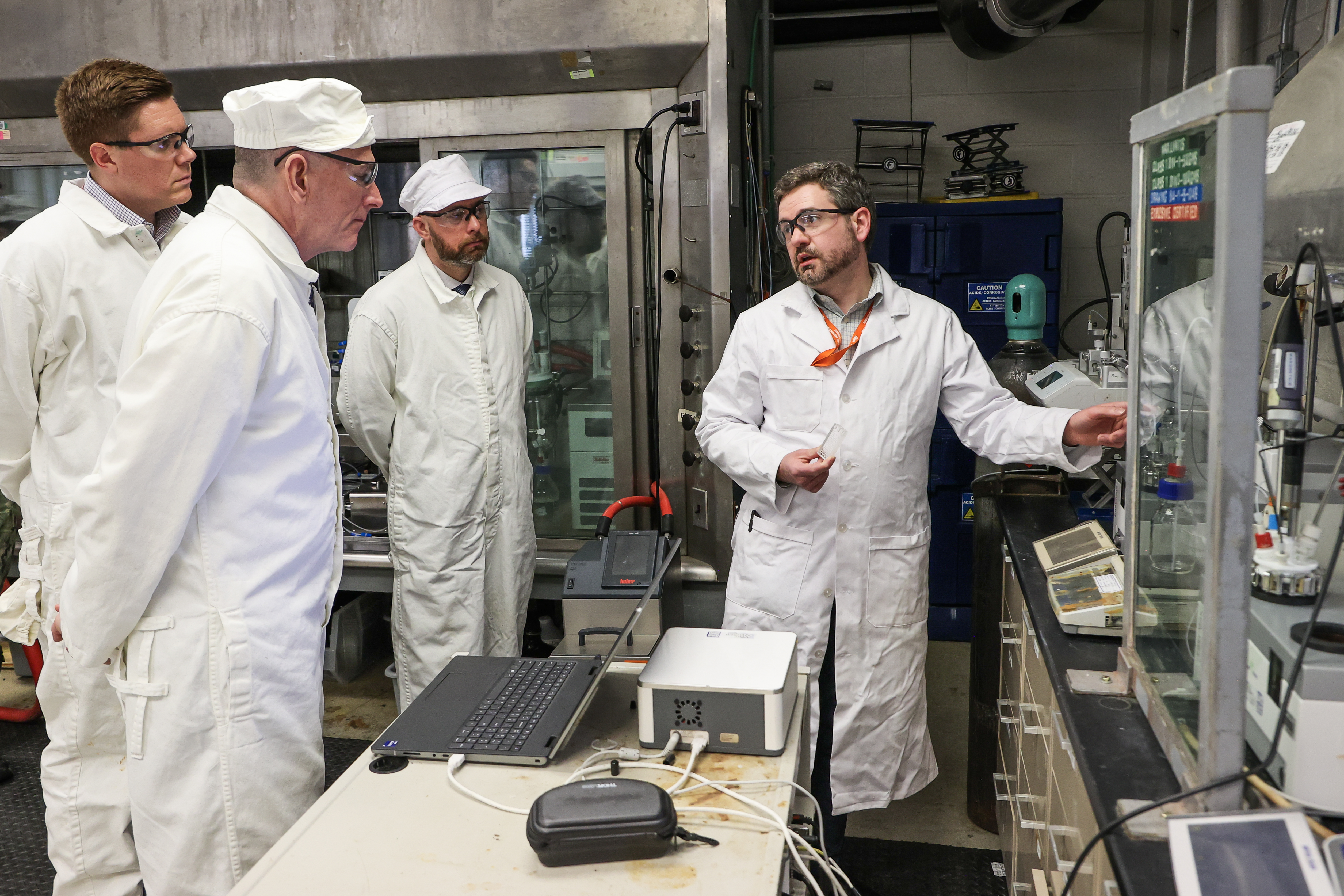
Pentagon research has been hampered by backlogged security clearances, limited funds to build or refurbish labs and a slow and difficult hiring process.
The Pentagon's aging research infrastructure is reaching a critical inflection point where operational inefficiencies and underinvestment are significantly impeding scientific and technological progress, forcing a public reckoning.
A deteriorating research infrastructure directly undermines the US's ability to maintain technological superiority in defense, impacting national security and its competitive edge against peer adversaries.
The explicit acknowledgment of systemic deterioration and its root causes will likely trigger overdue policy discussions and potential allocation of funds towards modernizing defense research facilities and processes.
- · Defense contractors focused on R&D infrastructure
- · Academic institutions with strong defense ties
- · Companies offering secure cloud and AI solutions for research
- · Traditional defense R&D labs
- · Bureaucratic processes
- · Competitors reliant on US technological stasis
Increased pressure on Congress to allocate significant funding for defense research infrastructure modernization.
Accelerated adoption of private sector innovation and collaboration models to bypass internal bureaucratic hurdles.
The US defense sector might pivot towards a more distributed and agile R&D ecosystem, lessening its reliance on centralized, aging facilities.
This signal links to a primary source. Continuum Brief monitors and indexes it as part of the live intelligence stream — we do not republish source content.
Read at Army Times