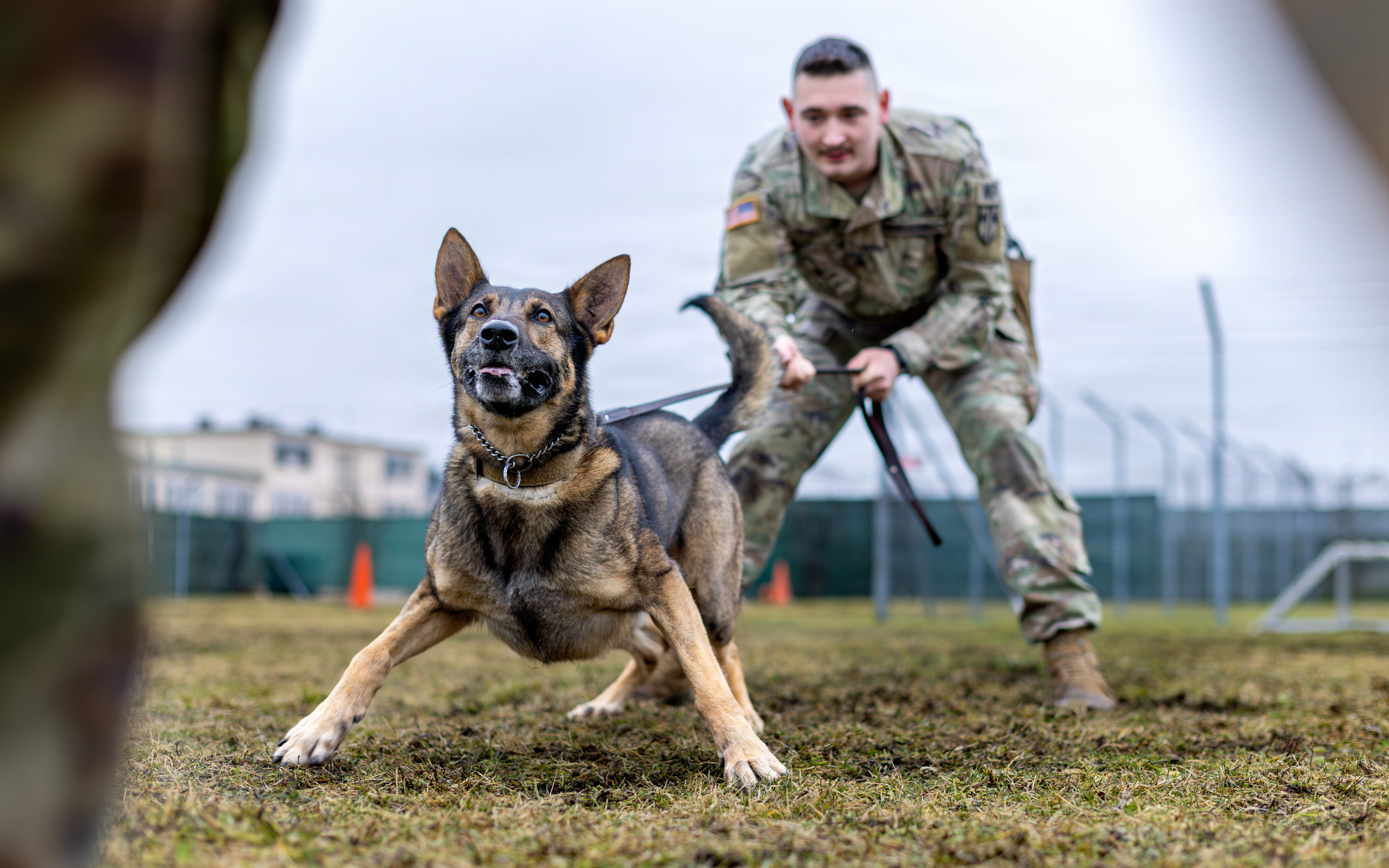
Efforts include better assessment of canine traumatic brain injury and even finding common medical treatments for both humans and dogs.
Advances in veterinary medicine and a recognition of the value of military working dogs, coupled with increased focus on human medical care within the military, are driving these efforts now.
Improving medical care for military working dogs reflects a broader trend in defence tech to enhance all assets, including living ones, through advanced diagnostics and translational medicine.
The focus on parallel medical solutions for humans and dogs could accelerate research in areas like TBI, potentially leading to faster development and adoption of new treatments across species.
- · Veterinary pharmaceutical companies
- · Biomedical research institutions
- · Military working dog programs
- · Military medical research
Military working dogs will receive more advanced medical care, potentially extending their service lives and improving their quality of life.
Research into conditions like TBI in dogs could yield insights transferable to human traumatic brain injury, accelerating human treatment development.
Enhanced recognition of animal sentience and value within military contexts might influence future ethical considerations for animal involvement in conflict and contribute to broader discussions on one health approaches.
This signal links to a primary source. Continuum Brief monitors and indexes it as part of the live intelligence stream — we do not republish source content.
Read at Air Force Times