The Rivian R2 Matches The Tesla Model Y On Efficiency, Despite Weighing More
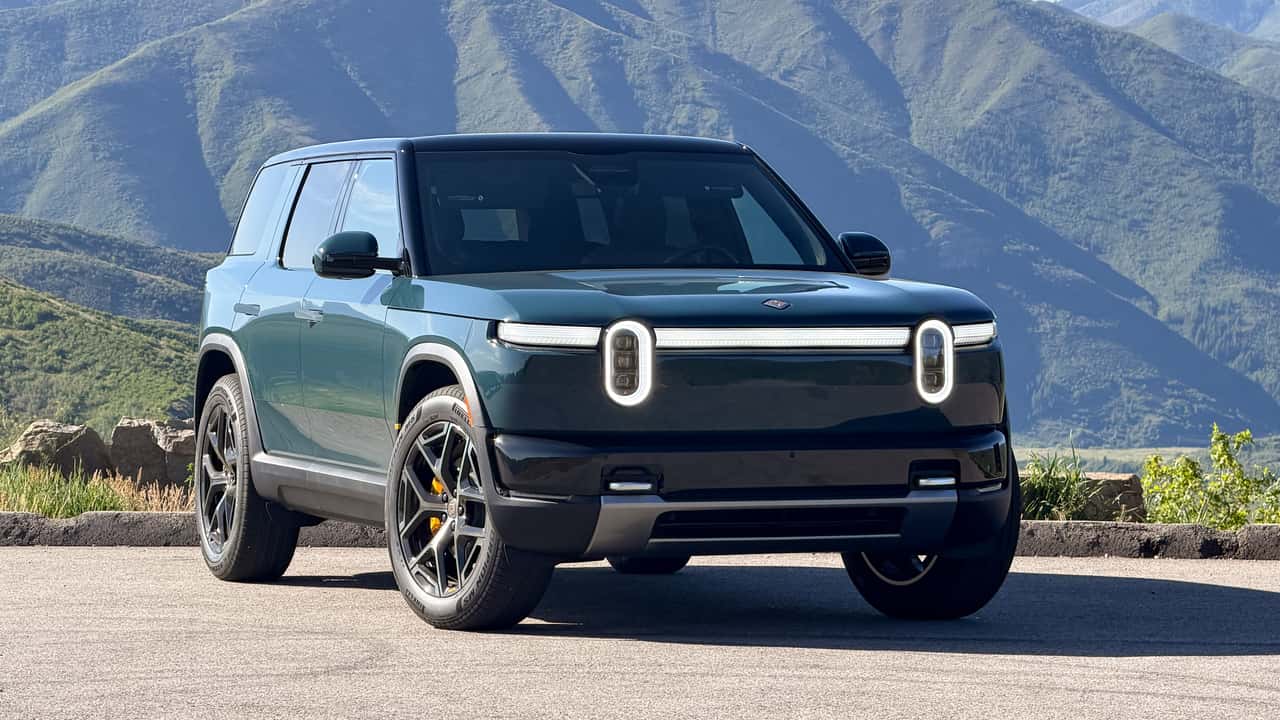
Rivian’s R2 Performance is roughly 500 pounds heavier than Tesla’s go-fast crossover, yet the energy consumption is identical.
The electric vehicle market continues to mature, and manufacturers are increasingly focused on optimizing efficiency to gain competitive advantage.
Achieving comparable efficiency with a heavier vehicle indicates significant advancements in EV powertrain, battery, and aerodynamic design, pushing the boundaries of what is possible.
The perceived trade-off between vehicle size/weight and energy efficiency in EVs is diminishing, suggesting broader market appeal for larger, more capable electric vehicles without a significant efficiency penalty.
- · Rivian
- · EV component suppliers
- · Consumers seeking larger EVs
- · Legacy automakers with less efficient EV platforms
Increased competitive pressure for EV manufacturers to prioritize energy efficiency across all vehicle segments.
Accelerated investment in power electronics, battery chemistry, and motor design to achieve similar efficiency gains.
Potentially broader adoption of EVs as range anxiety and charging frequency become less of a concern for heavy-duty or larger vehicle classes.
This signal links to a primary source. Continuum Brief monitors and indexes it as part of the live intelligence stream — we do not republish source content.
Read at InsideEVs