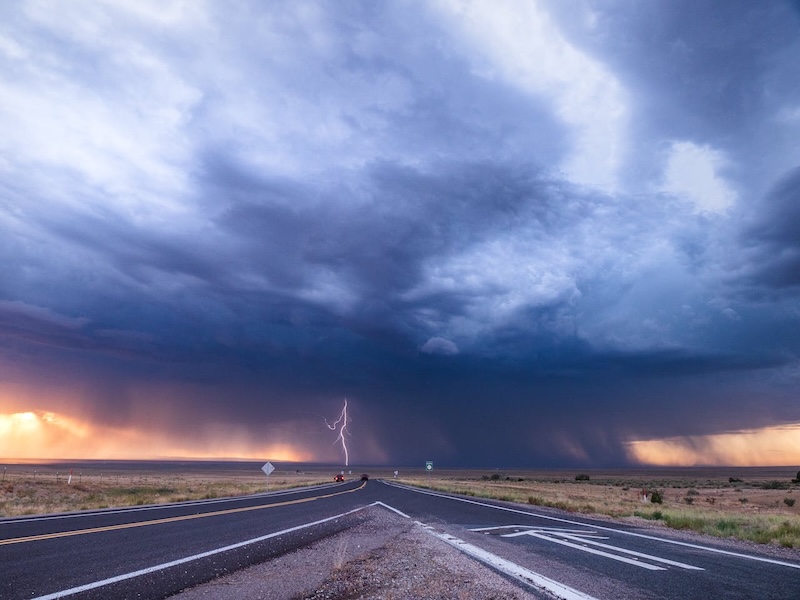
Field operations face unpredictable weather patterns that can jeopardize safety and stall progress in an instant. Whether it is a construction site or an emergency response, the atmosphere plays a role in daily success. Traditional forecasts struggle to capture localized storms. Fixed location radar stations are essential but they frequently leave significant blind spots in […]
Advances in autonomous systems and climate technology are enabling more granular and rapid atmospheric monitoring, directly addressing long-standing operational challenges across multiple sectors.
Rapid deployment weather tracking mitigates risks and improves efficiency for critical field operations by providing precise, localized atmospheric data, reducing economic losses, and enhancing safety.
Traditional broad-area weather forecasting is augmented or replaced by highly localized, real-time atmospheric data collection and analysis, allowing for more adaptive and responsive decision-making in adverse conditions.
- · Construction sector
- · Emergency response organizations
- · Aviation safety agencies
- · Climate technology providers
- · Operations highly reliant on traditional, less granular forecasts
- · Sectors unprepared to integrate real-time autonomous weather data
Improved safety and reduced operational delays across various industries due to localized weather intelligence.
Increased investment in autonomous atmospheric monitoring systems and climate data infrastructure.
Enhanced resilience of critical infrastructure against extreme weather events, leading to broader economic stability.
This signal links to a primary source. Continuum Brief monitors and indexes it as part of the live intelligence stream — we do not republish source content.
Read at Robotics & Automation News