The U.S. Banned Chinese Car Tech—But Volvo Just Got A Special Pass To Keep It
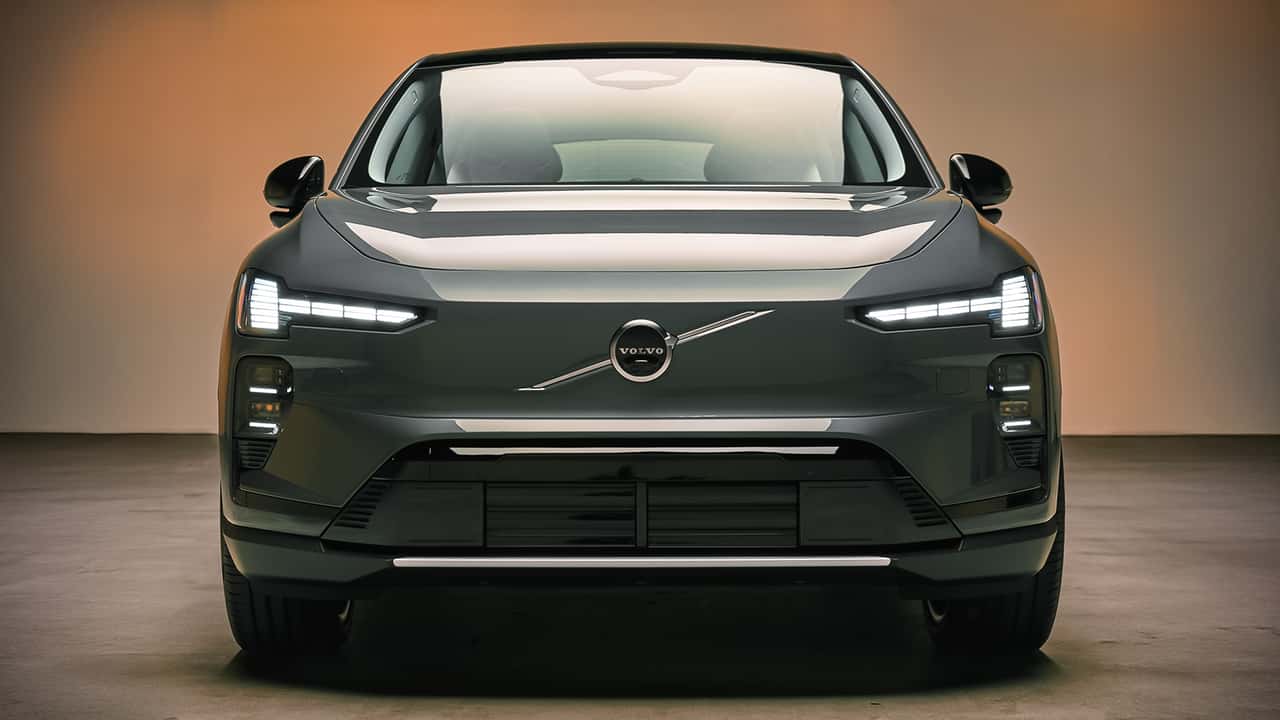
Volvo can continue to sell connected cars with Chinese hardware and software in the U.S., thanks to a special authorization.
The U.S. is increasing its scrutiny of Chinese technology due to national security concerns, making special authorizations like Volvo's a critical barometer of policy implementation.
This event demonstrates the complexity and potential for exceptions in the U.S. government's efforts to restrict Chinese technology, highlighting practical and economic considerations.
The precedent for specific carve-outs in U.S. tech restrictions on Chinese hardware and software, indicating a nuanced approach might replace blanket bans.
- · Volvo
- · European auto manufacturers
- · Consumers seeking a wider range of connected car options
- · U.S. domestic car tech suppliers
- · Advocates for a complete ban on Chinese tech
Volvo maintains its market position in the U.S. with previously integrated Chinese components.
Other companies might seek similar special authorizations for Chinese-sourced tech, potentially softening the impact of broader bans.
This could lead to a 'Swiss cheese' approach to tech decoupling, where specific industry needs override sweeping geopolitical directives, making enforcement more complex.
This signal links to a primary source. Continuum Brief monitors and indexes it as part of the live intelligence stream — we do not republish source content.
Read at InsideEVs