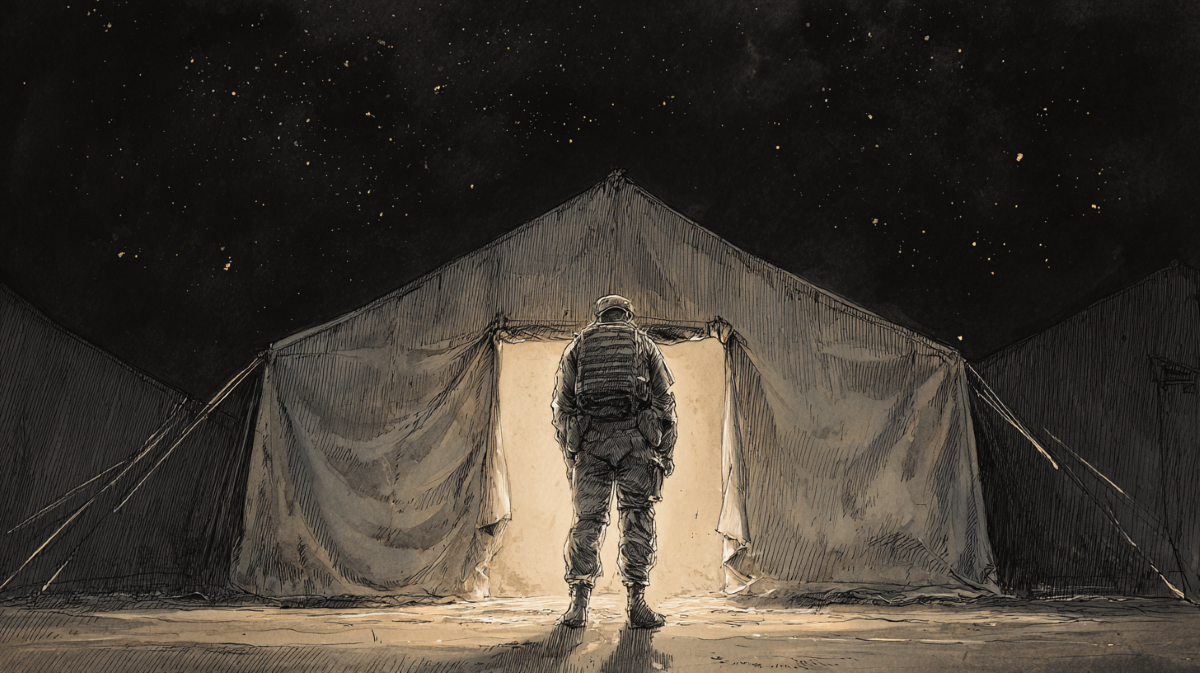
In 2004, I was a boot (translation: brand new) first lieutenant in 1st Battalion, 7th Marines at a retransmission site in the middle of nowhere, al-Qa’im, Iraq. I heard a sudden explosion and small-arms fire two kilometers away. The battalion radio net burst with chatter, with someone saying there were three casualties: two urgent surgicals (send help quickly!) and one routine (no rush to provide aid). Someone in the operating center asked about the status of the routine casualty, and the radio crackled with the kind of transmission that changes everything. “It’s Whiskey Six, he’s KIA [killed
The increasing complexity and lethality of modern warfare, combined with a potential for autonomous systems, necessitates a robust ethical framework for military effectiveness.
A lack of clear ethical doctrine can undermine combat readiness, public trust, and the long-term legitimacy of military actions, creating operational and strategic disadvantages.
The explicit recognition that ethical doctrine is not merely an auxiliary concern but a foundational element impacting military performance and unit cohesion.
- · Military ethicists
- · Defence policymakers advocating for comprehensive doctrine
- · Units with strong ethical leadership
- · Military forces lacking ethical frameworks
- · Leaders who view ethics as secondary
- · Combat effectiveness in absence of ethical guidelines
Increased focus on integrating ethics training and doctrine into military education and operations.
Potential for new ethical guidelines to influence the development and deployment of advanced defence technologies, including AI systems.
Long-term improvement in civil-military relations and international standing due to a more ethically informed military.
This signal links to a primary source. Continuum Brief monitors and indexes it as part of the live intelligence stream — we do not republish source content.
Read at War on the Rocks