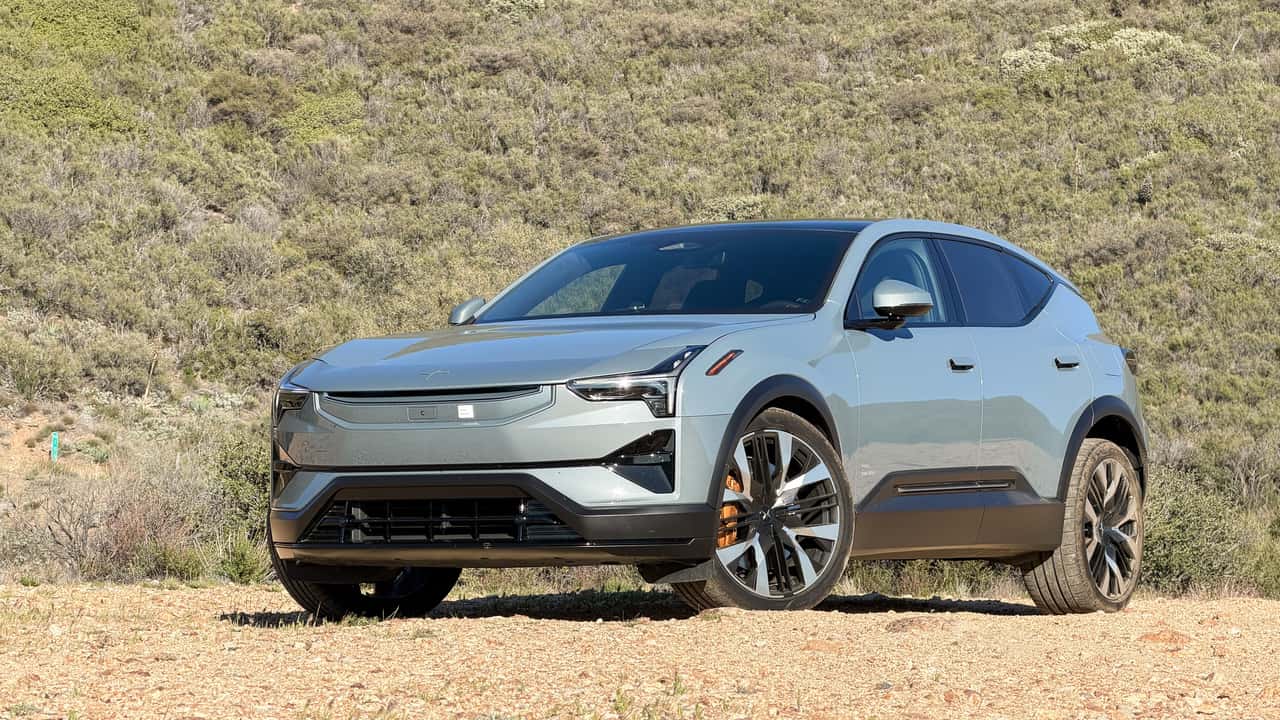
The Swedish automaker, owned by the Chinese parent Geely, will not be allowed to sell EVs in the U.S. model year 2027 onward.
The U.S. is increasingly using economic policy to decouple from Chinese-affiliated industries, and this action signals a hardening stance against foreign entities, even those partially owned by allies.
This event highlights the escalating economic nationalism and geopolitical competition, impacting global supply chains and market access for companies with ties to rival powers.
The competitive landscape for EVs in the U.S. changes, with fewer options for consumers and a clear message to other foreign automakers about the risks of perceived association with geopolitical adversaries.
- · U.S. domestic EV manufacturers
- · European EV manufacturers without Chinese ownership
- · U.S. government policy makers
- · Polestar
- · Geely
- · Chinese EV manufacturers
- · U.S. consumers
Polestar loses a significant market, impacting its financial performance and global expansion plans.
Other international automakers with Chinese backing may preemptively reduce or cease U.S. market engagement to avoid similar bans, accelerating industrial decoupling.
This could lead to retaliatory trade measures from China or other affected nations, further fragmenting global trade and technology ecosystems.
This signal links to a primary source. Continuum Brief monitors and indexes it as part of the live intelligence stream — we do not republish source content.
Read at InsideEVs