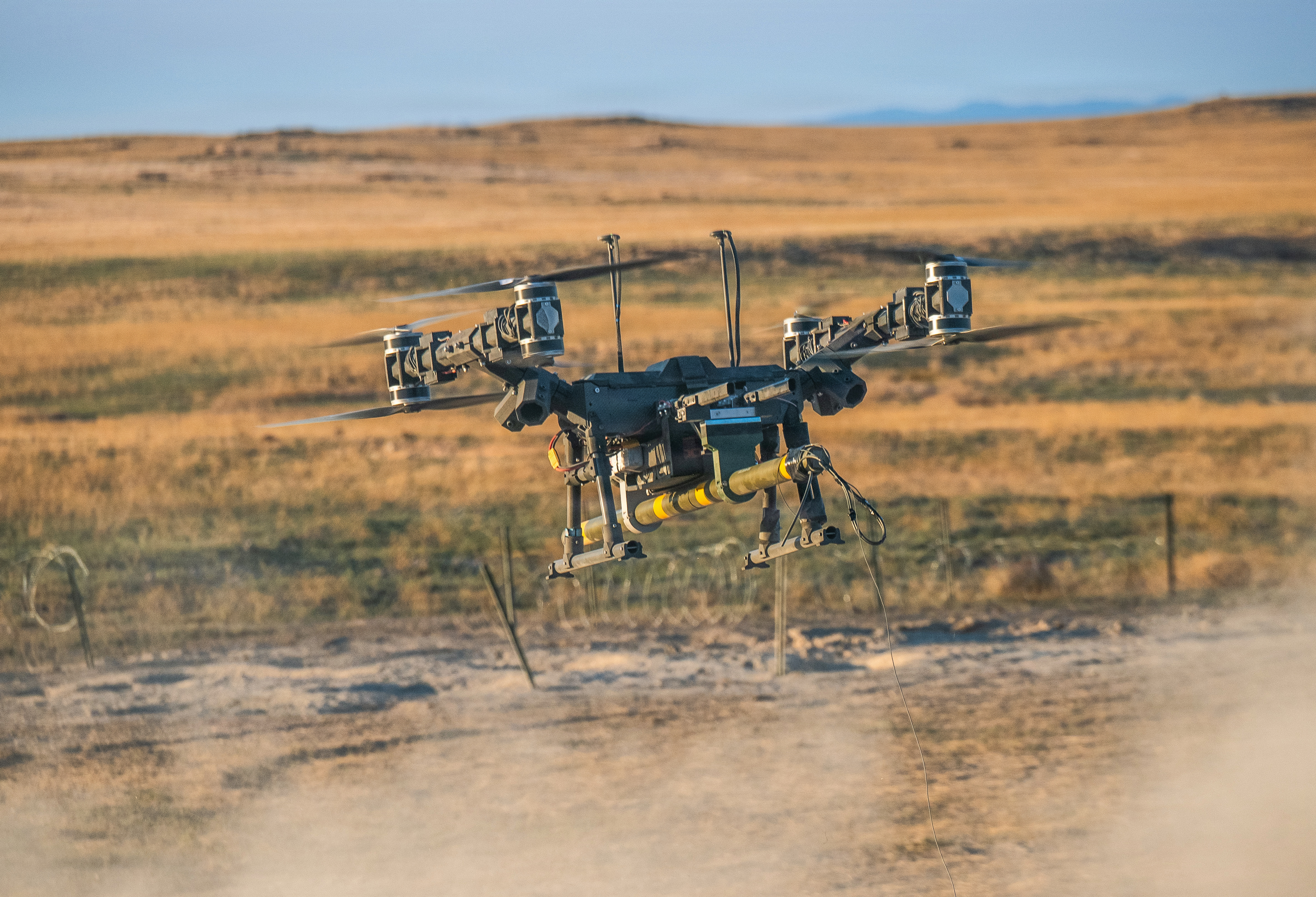
The phrase “into the breach,” invokes one of the Army’s most deadly missions. Now, instead of sending soldiers, the Army is experimenting with drones.
Advances in drone technology, AI, and robotics have reached a point where autonomous systems can realistically undertake complex and dangerous military operations, driven by a need to reduce human casualties.
This shift signifies a fundamental change in military doctrine, moving towards a future where autonomous systems play a primary role in high-risk combat scenarios, impacting global defense strategies and industrial investment.
The US Army is actively integrating advanced drone capabilities for frontline combat, fundamentally altering the calculus of personnel deployment and the nature of warfare itself.
- · Defense contractors focused on AI and robotics
- · Nations with advanced AI and drone development programs
- · Military budgets allocated to R&D for autonomous systems
- · Traditional human-centric military forces
- · Opponent nations lacking advanced autonomous capabilities
Increased reliance on autonomous systems for dangerous military objectives, potentially reducing human casualties in combat.
Accelerated development of counter-drone and counter-AI technologies, leading to an arms race in autonomous warfare capabilities.
Ethical and legal debates intensifying globally regarding the deployment and accountability of AI-driven combatants in armed conflict.
This signal links to a primary source. Continuum Brief monitors and indexes it as part of the live intelligence stream — we do not republish source content.
Read at Army Times