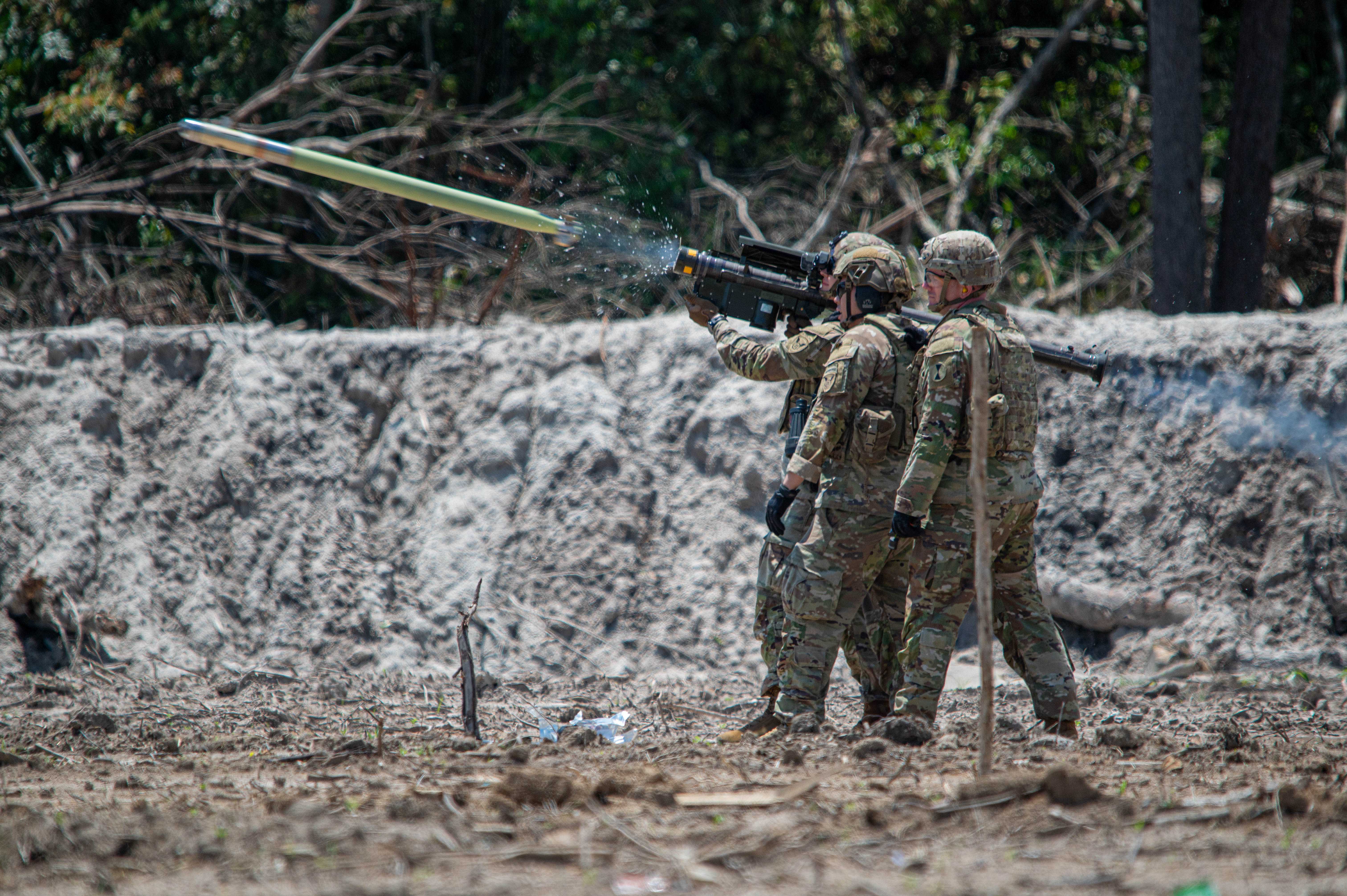
A new Army Request for Information seeks to identify companies that can deliver 11,000 next-gen, short range interceptors beginning in Fiscal Year 2028.
The shift in global security dynamics and the observed effectiveness of short-range air defense in recent conflicts have highlighted the Stinger missile's obsolescence and the urgent need for modern replacements.
A strategic reader should note the Western defense industrial base's accelerated pivot towards modern, mass-producible defense capabilities, reflecting a new era of military preparedness and industrial policy.
The US Army is formally initiating a significant recapitalization effort for short-range air defense, indicating a major procurement cycle and investment in next-generation military hardware.
- · Defense contractors
- · Aerospace manufacturing
- · Semi-conductor industry for guidance systems
- · NATO allies observing US procurement
- · Legacy Stinger missile component suppliers
- · Countries relying on outdated air defense doctrines
Companies will begin R&D and production ramp-up for advanced short-range air defense systems.
Increased competition among defense contractors for large-scale production contracts will drive innovation and potentially M&A activities.
This procurement could set a new standard for NATO and allied nations' short-range air defense requirements, leading to broader international adoption of similar systems.
This signal links to a primary source. Continuum Brief monitors and indexes it as part of the live intelligence stream — we do not republish source content.
Read at Army Times