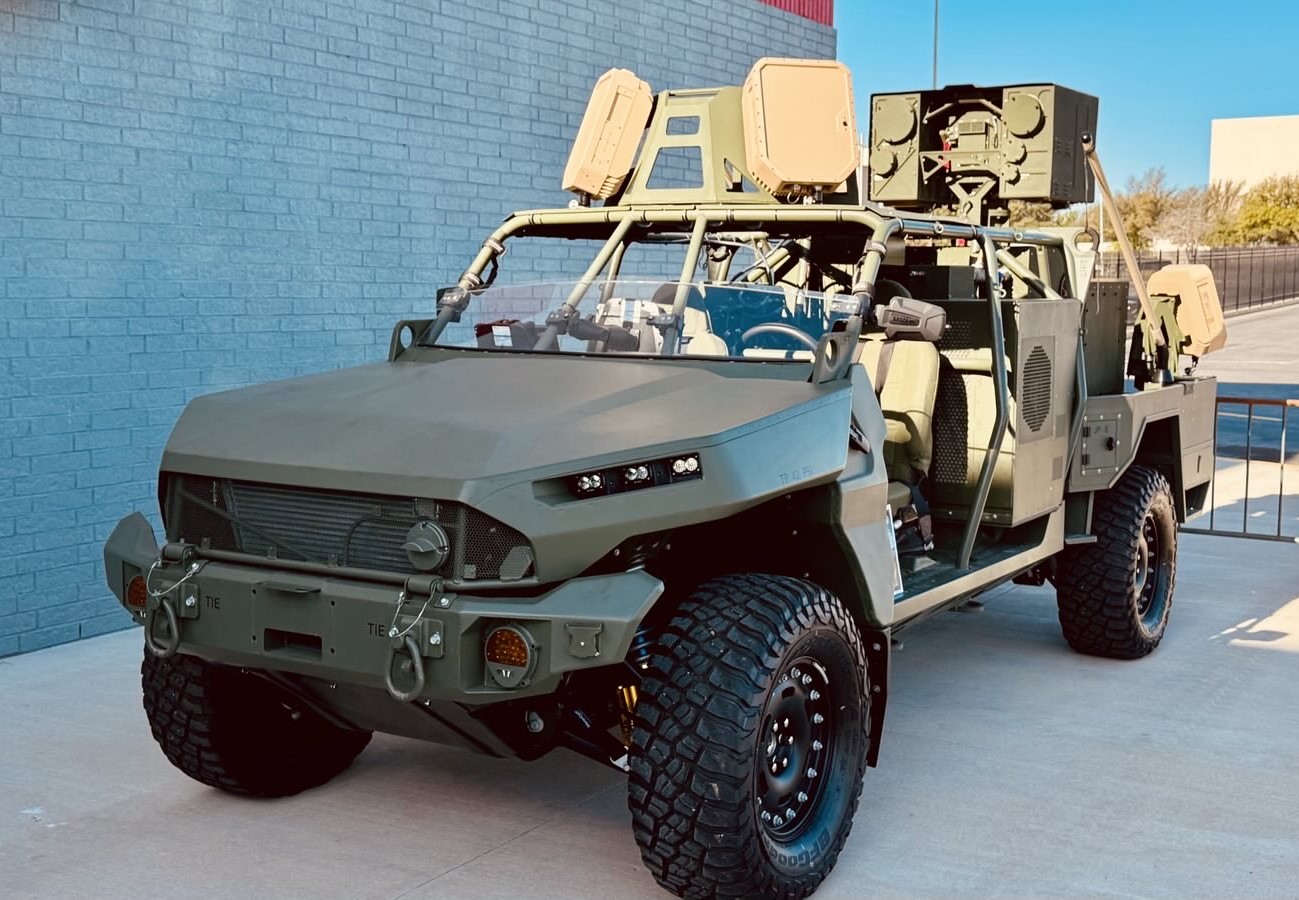
Two ground vehicles could define how the Pentagon fields high-energy laser weapons at scale.
The US military is aggressively pursuing advanced weapon systems to maintain technological superiority and counter emerging threats, particularly in the context of peer competition.
This initiative signifies a strategic shift towards fielding directed energy weapons at scale, promising significant advantages in air defense and cost-effective engagement of various targets.
The potential mass deployment of mobile laser systems fundamentally alters tactical battlefield engagements and introduces new considerations for counter-weaponry and operational logistics.
- · Defence contractors innovating in directed energy
- · US Armed Forces
- · Energy storage sector
- · High-power laser component manufacturers
- · Traditional missile manufacturers (for certain roles)
- · Adversaries relying on conventional drone or missile attacks
- · Low-cost drone manufacturers
The development accelerates the integration of high-energy lasers onto mobile platforms for defensive and offensive roles.
This could lead to a reduction in reliance on kinetic interceptors for air defense, transforming military logistics and procurement strategies.
The proliferation of such systems might drive a new arms race in directed energy and counter-directed energy technologies, impacting global military doctrines.
This signal links to a primary source. Continuum Brief monitors and indexes it as part of the live intelligence stream — we do not republish source content.
Read at Air Force Times