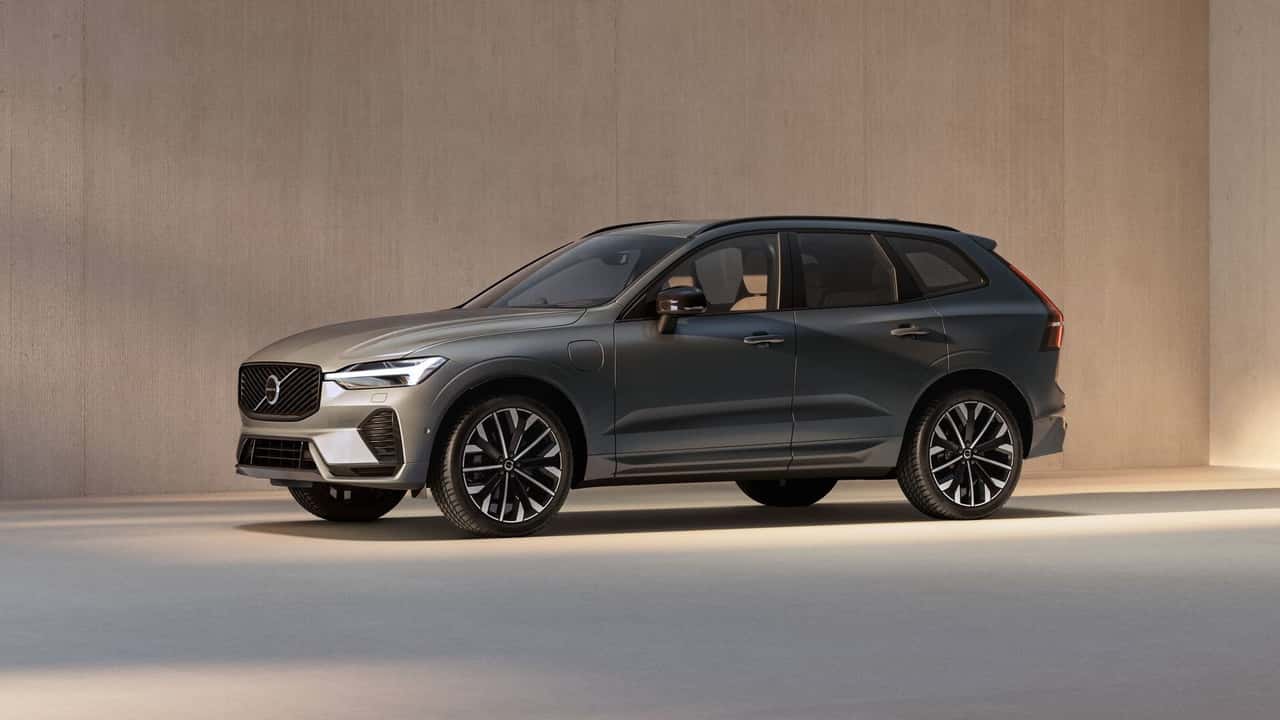
The current XC60 T8 plug-in hybrid can go 35 miles on electric power. The 2028 model will reportedly nearly triple that.
Automotive manufacturers are under increasing pressure to meet stricter emissions regulations and consumer demand for greater EV range, pushing rapid advancements in battery and hybrid technology.
This development indicates a significant improvement in plug-in hybrid vehicle (PHEV) utility, potentially bridging the gap for consumers hesitant about full EVs and accelerating the transition away from purely internal combustion engines.
PHEVs are becoming more viable as a primary mode of electric transport, offering extended range that reduces 'range anxiety' and reliance on charging infrastructure for daily commutes.
- · Volvo
- · PHEV manufacturers
- · Consumers seeking extended EV range
- · Pure internal combustion engine vehicles
- · Traditional gas stations (long term)
Increased market share for PHEVs as their electric capabilities improve substantially.
Greater investment and innovation in battery technology to support longer EV-only ranges in hybrid and pure electric vehicles.
Potential for a slower, more distributed transition to full electric vehicles as PHEVs offer a compelling intermediate solution.
This signal links to a primary source. Continuum Brief monitors and indexes it as part of the live intelligence stream — we do not republish source content.
Read at InsideEVs