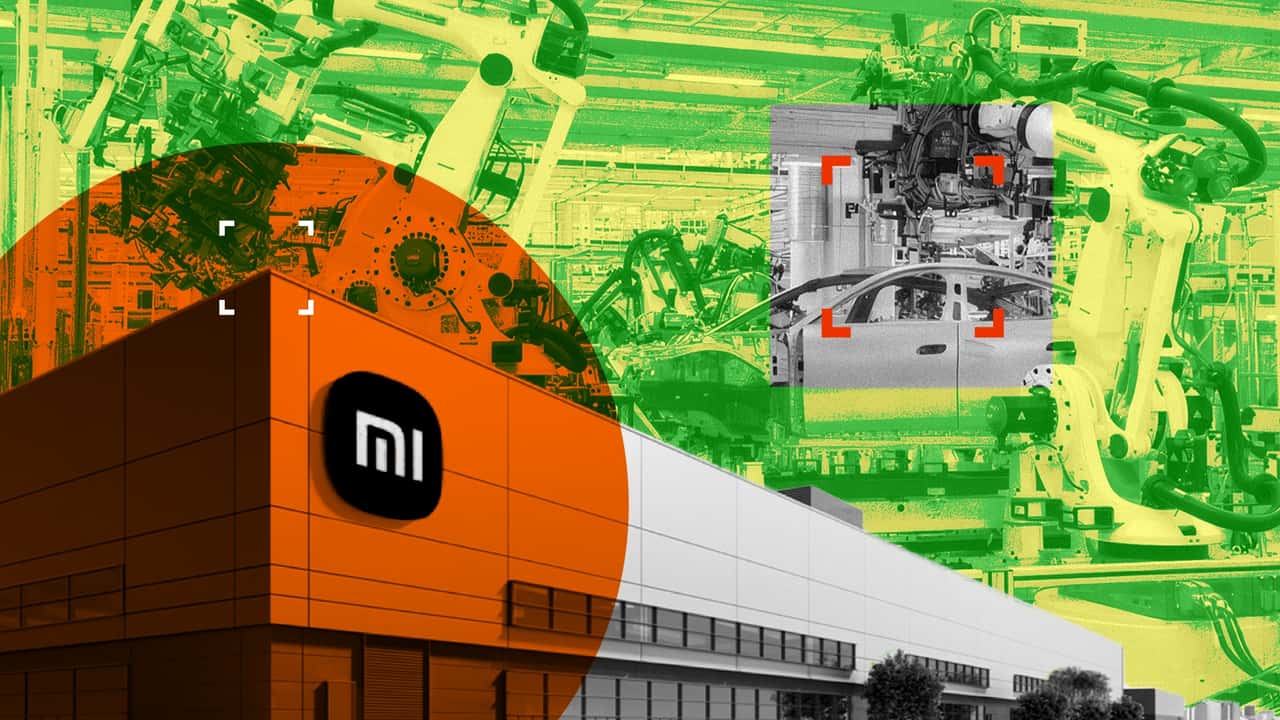
The updated SU7 Sedan is great, and the way it got here should strike fear in the hearts of every global auto manufacturer.
Xiaomi's recent success in the EV market, particularly with the updated SU7, demonstrates a rapid evolution and market penetration strategy that is now yielding significant results.
This development indicates a potent new competitor in the global automotive sector, capable of leveraging its technological prowess and direct sales models to challenge established manufacturers. It signals a potential change in market dominance and strategic approaches within the industry.
The competitive landscape for global automotive manufacturers is altered as a major tech company successfully translates its platform advantages into a high-quality, competitive vehicle rapidly.
- · Xiaomi
- · Chinese automotive industry
- · Consumers (via increased competition)
- · Established global automotive manufacturers
- · Legacy auto distributors
Xiaomi secures a stronger foothold in the global electric vehicle market, increasing its valuation and market share.
Other tech companies and non-traditional auto manufacturers accelerate their efforts to enter or expand in the automotive sector, intensifying competition and innovation.
The traditional automotive supply chain faces pressure to adapt to faster development cycles and direct-to-consumer models, potentially leading to consolidation or new partnerships.
This signal links to a primary source. Continuum Brief monitors and indexes it as part of the live intelligence stream — we do not republish source content.
Read at InsideEVs