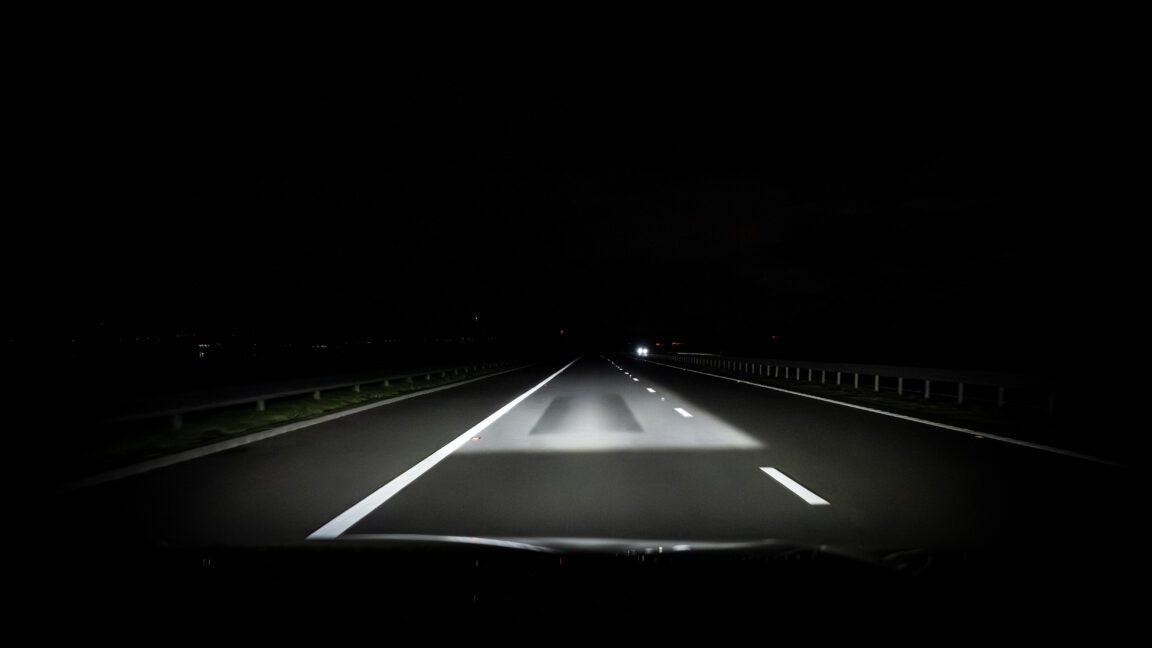
The 2027 Audi Q9's digital matrix lights satisfy new NHTSA rules on minimizing glare.
After years of regulatory hurdles, advanced headlight technology designed to improve safety is finally approved for widespread use in the US market.
This marks a tangible progression in vehicle safety technology and highlights how regulatory bodies adapt to innovation, albeit slowly.
Previously restricted intelligent headlight systems, capable of dynamic beam shaping, are now permissible in the US, allowing manufacturers to integrate them into new models.
- · Audi
- · Automotive suppliers developing advanced lighting systems
- · Drivers in the US
- · Automotive safety advocates
- · Legacy lighting manufacturers (if slow to adapt)
- · NHTSA (for initial slow approval process)
New car models in the US will increasingly feature advanced, glare-minimizing headlight technology, improving nighttime driving safety.
This regulatory shift may accelerate the adoption of other advanced driver-assistance systems that were previously stalled by similar regulations or require better sensor input enabled by these lights.
The increased safety and technological sophistication could subtly influence vehicle purchase decisions and potentially reduce certain types of night-time accidents over the long term.
This signal links to a primary source. Continuum Brief monitors and indexes it as part of the live intelligence stream — we do not republish source content.
Read at Ars Technica — Cars