These light-weight power cells run on nuclear waste and could power next-gen drones
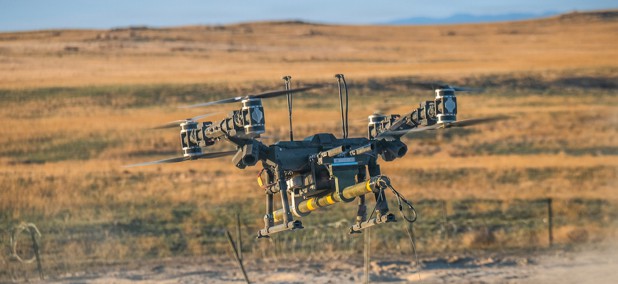
DARPA program aims to create a 30-year battery minimally viable prototype by early 2027.
DARPA is actively pursuing a prototype for a long-duration, lightweight power cell by early 2027, driven by current defence needs for extended drone operations.
This development could fundamentally alter the operational capabilities and endurance of autonomous systems, making them less reliant on traditional power sources and more adaptable for extended missions.
The potential availability of 30-year power cells running on nuclear waste removes a significant constraint on drone and potentially other mobile platform endurance, enabling vastly longer operational periods.
- · Defense contractors
- · Drone manufacturers
- · Military logistics
- · Nuclear waste processing sector
- · Traditional battery manufacturers (for long-duration applications)
- · Fuel re-supply logistics
Next-generation drones will have significantly increased operational range and loiter time, reducing the need for frequent refueling or battery swaps.
This extended endurance could lead to new doctrines for persistent surveillance, reconnaissance, and strike capabilities without human intervention for years.
The successful miniaturization of nuclear power for mobile platforms could eventually spill over into other industries, impacting remote sensing, space exploration, and even long-duration civilian vehicles.
This signal links to a primary source. Continuum Brief monitors and indexes it as part of the live intelligence stream — we do not republish source content.
Read at Defense One