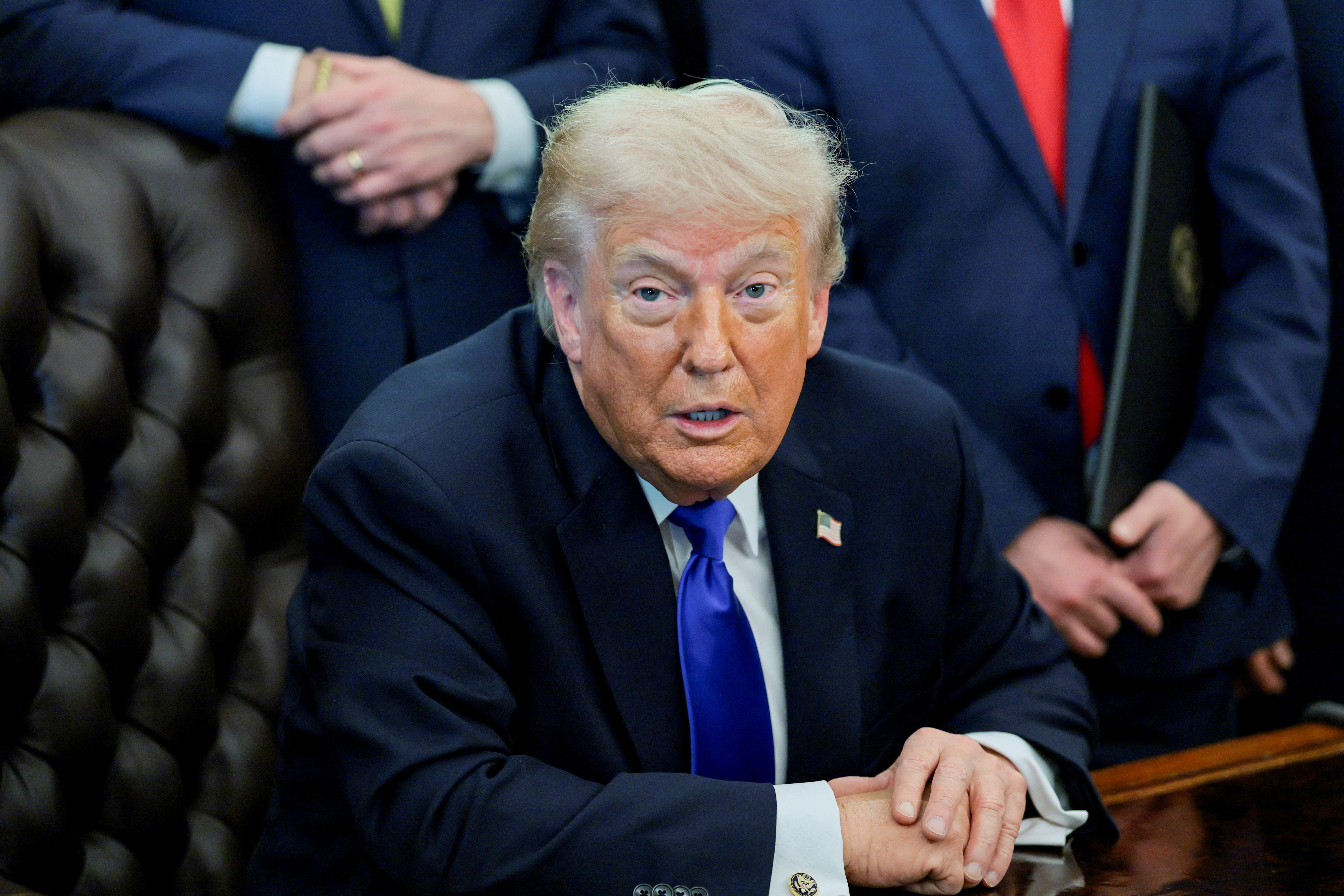
After a U.S. Army Apache helicopter was downed by an Iranian drone, President Donald Trump said the rescued aviators “got very lucky.”
The incident highlights the growing operational deployment and effectiveness of advanced drone technology in contested environments, pushing military doctrines to adapt more rapidly.
This event underscores the evolving landscape of modern warfare, where relatively inexpensive drone technology can significantly threaten advanced manned military assets, posing strategic challenges.
The perceived invulnerability of certain sophisticated military assets is diminished, prompting accelerated investment and development in counter-drone measures and new defence strategies.
- · Drone manufacturers (non-Western)
- · Counter-drone technology developers
- · Air defense system developers
- · Traditional manned aviation platforms
- · Conventional air defense doctrines
- · Military forces slow to adapt
Increased emphasis on drone warfare and counter-drone systems in military procurement and strategic planning.
A shift in military budgeting towards autonomous systems and away from high-cost manned platforms.
Potential for an arms race in drone and counter-drone capabilities, escalating regional conflicts through asymmetric means.
This signal links to a primary source. Continuum Brief monitors and indexes it as part of the live intelligence stream — we do not republish source content.
Read at Navy Times