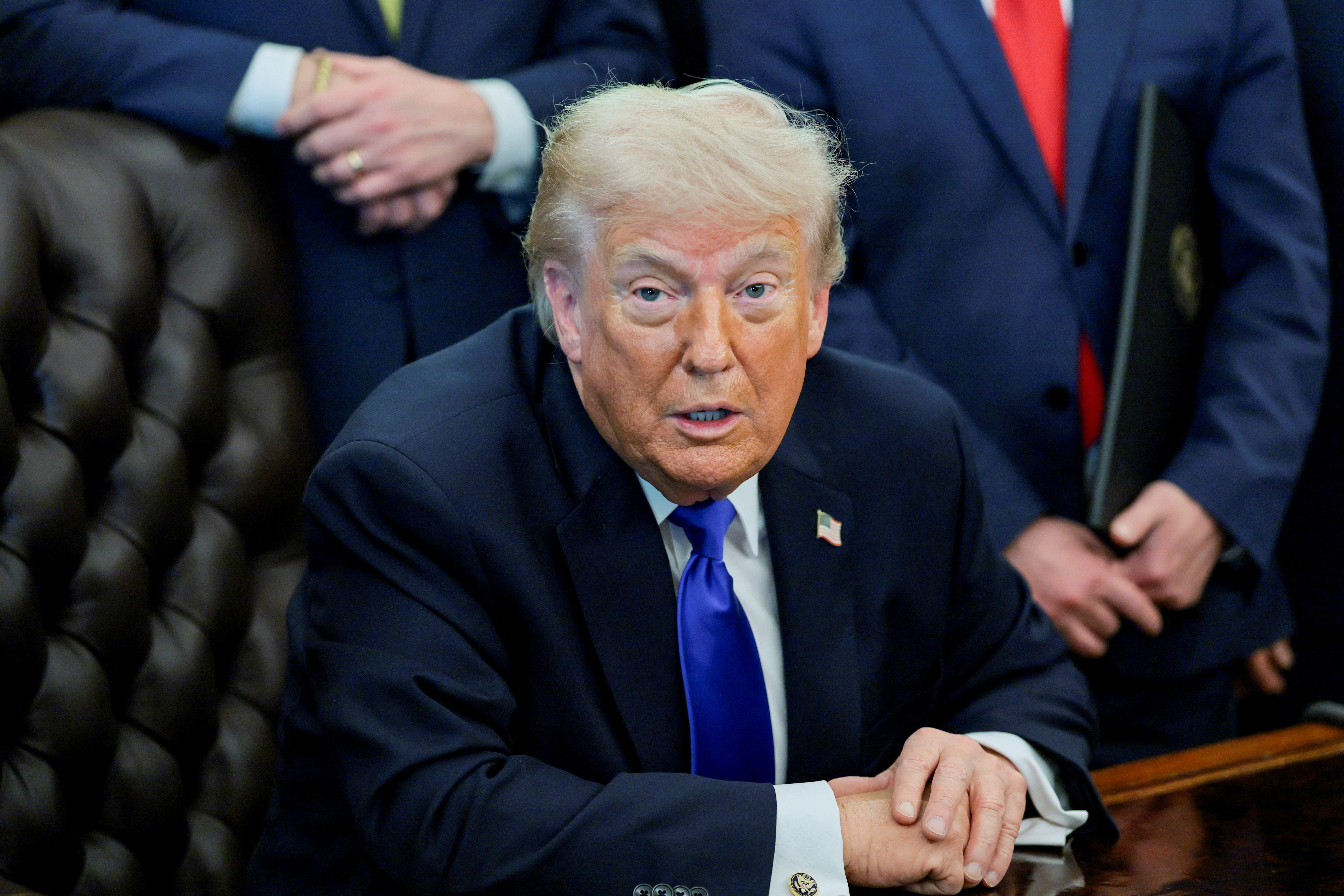
After a U.S. Army Apache helicopter was downed by an Iranian drone, President Donald Trump said the rescued aviators “got very lucky.”
This incident highlights the growing sophistication of non-state or regional actors in employing advanced drone technology against established military powers, particularly in recent Mideast Africa conflicts.
A strategic reader should care because it demonstrates the continuing vulnerability of even advanced platforms like Apache helicopters to increasingly accessible drone technology, forcing a re-evaluation of air defense strategies.
The incident underscores that aerial superiority can no longer be assumed, even for conventionally powerful militaries, against adversaries employing asymmetric drone warfare tactics.
- · Iran's drone program
- · Military drone manufacturers
- · Air defense system developers
- · Traditional manned military aviation doctrines
- · US military's air superiority perception
- · Apache helicopter's perceived invulnerability
The immediate effect is increased scrutiny on Apache helicopter's defensive capabilities against drones.
A plausible second-order consequence is accelerated development and deployment of counter-drone systems for manned aircraft and ground forces.
A speculative but reasoned third-order consequence could be a strategic shift in military procurement towards cheaper, more numerous autonomous systems over expensive manned platforms.
This signal links to a primary source. Continuum Brief monitors and indexes it as part of the live intelligence stream — we do not republish source content.
Read at Defense News